Reasons Roof Metal Decking Works for Commercial Spaces
Commercial buildings require roofing systems that can handle demanding structural requirements while supporting long-term performance. From warehouses and manufacturing facilities to office buildings, retail spaces, and other commercial properties, the roof assembly plays an important role in protecting the structure and everything inside it. One component that can provide a strong foundation for these systems is metal roof decking.
Provides Strong Structural Performance
One of the primary reasons metal roof decking works well for commercial spaces is its structural performance. A commercial roof may need to support the weight of insulation, roofing materials, equipment, maintenance personnel, and other loads. The roof deck provides an important structural layer that helps distribute these loads throughout the building.
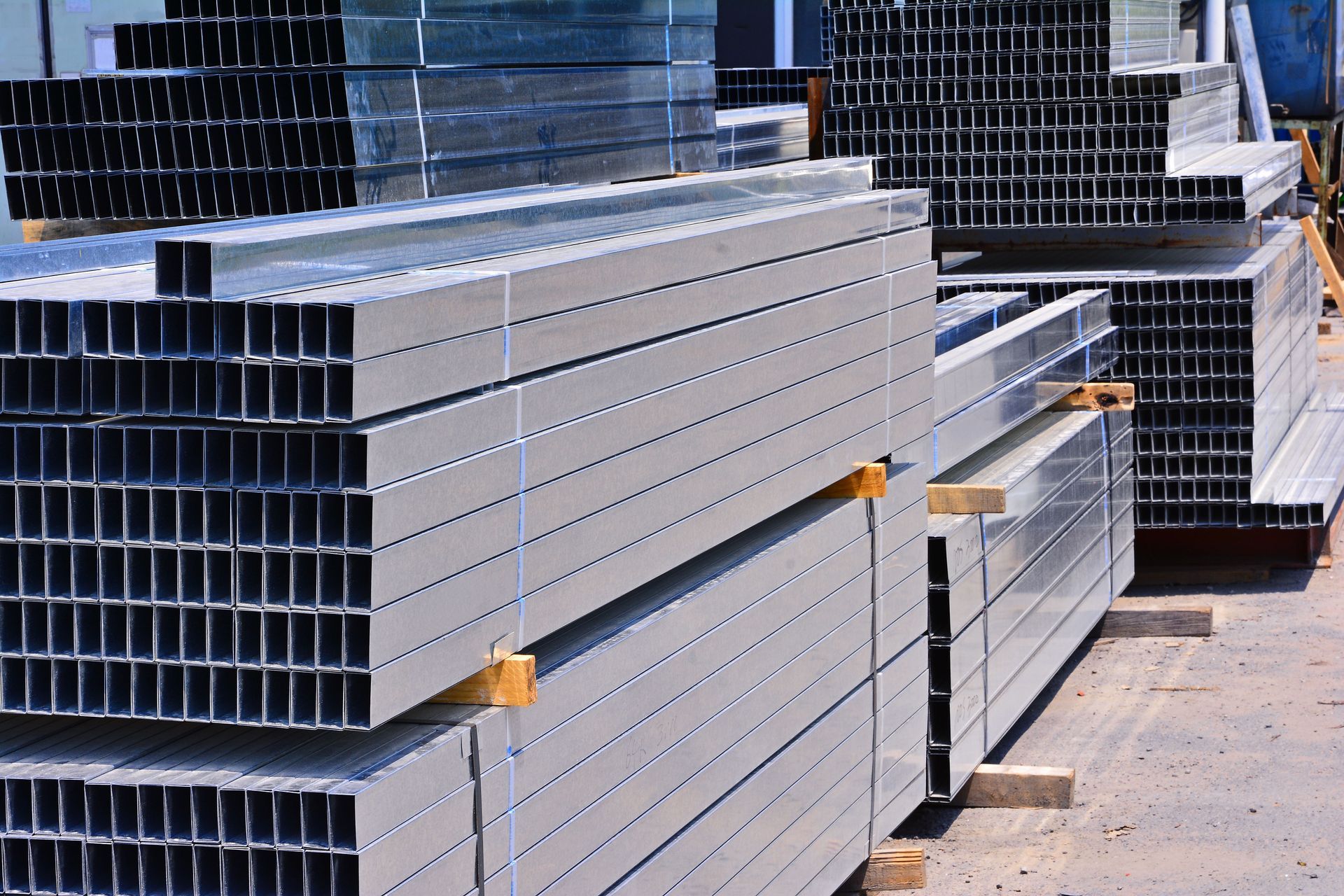
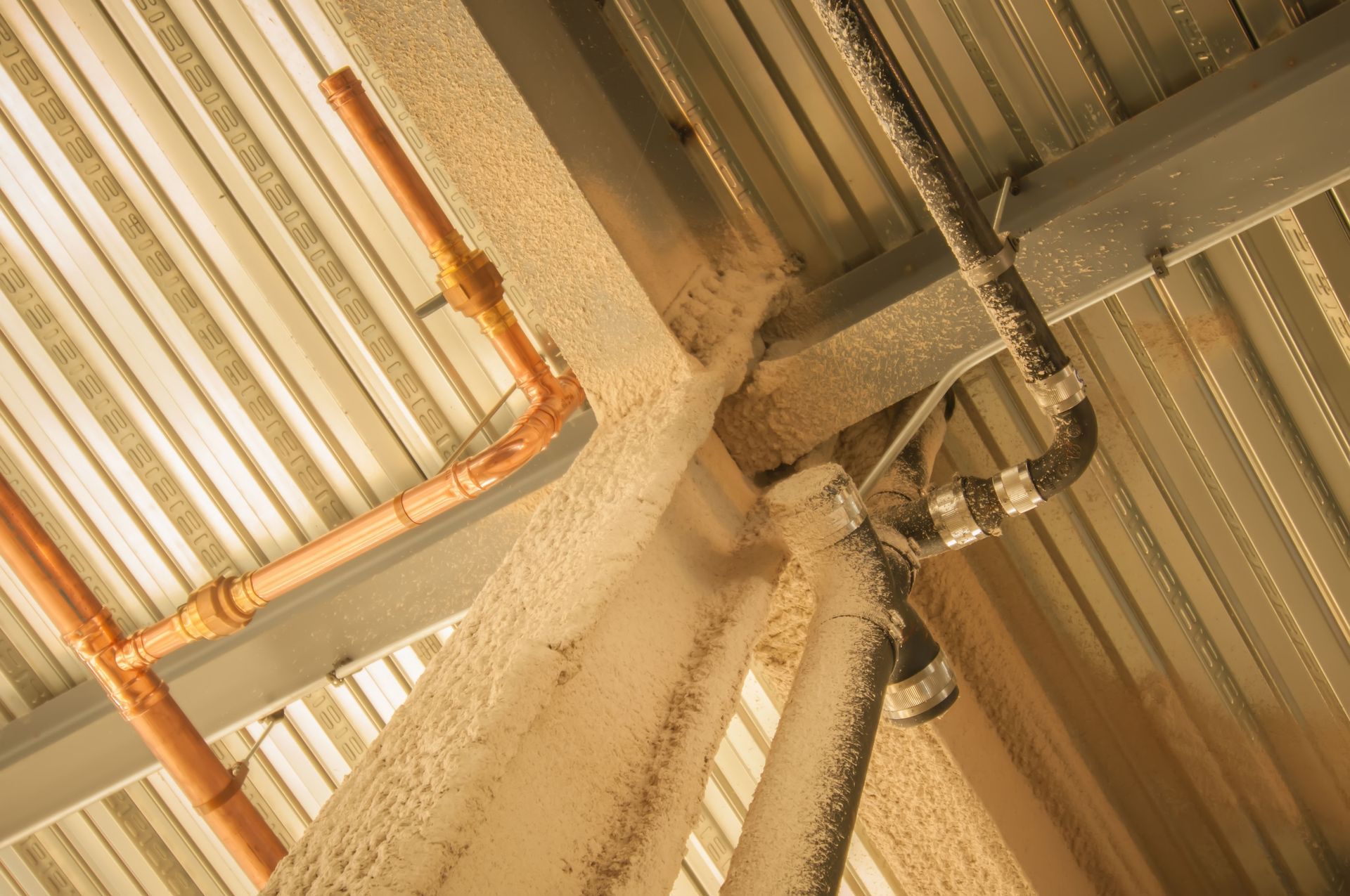
The geometry of a steel roof deck is a significant part of its strength. Rather than using a flat sheet of steel, metal decking incorporates formed ribs that increase its ability to span between structural supports. According to information published by the Steel Deck Institute, steel roof deck profiles are designed with different depths, gauges, and configurations to accommodate varying structural requirements.
Different commercial buildings have different span and loading requirements, so selecting the appropriate deck profile is important. Working from the project's engineering specifications can help ensure the decking is suited to the intended application rather than relying on a one-size-fits-all approach.
Supports Versatile Roof Assemblies
Commercial roofing systems can contain multiple layers, including insulation, cover boards, membranes, and other components. Metal roof decking provides a stable substrate beneath these materials, making it adaptable to a variety of roof assembly designs.
Common steel roof deck profiles include wide-rib, intermediate-rib, narrow-rib, and deep-rib configurations. Each profile has characteristics that can make it more appropriate for particular structural conditions. The Steel Deck Institute notes that wide-rib decking is among the common steel roof deck profiles used in North American commercial buildings.
This variety gives designers and contractors more flexibility when developing a roofing system. Factors such as span requirements, loading conditions, insulation specifications, and the overall design of the building can all be considered when selecting the appropriate decking.
For projects where specific decking requirements need to be met, obtaining materials through a dependable roof metal decking supply can also help contractors source the products needed for the planned assembly.
Provides a Durable Roofing Foundation
Commercial roofs are exposed to changing weather conditions throughout the year. Heat, cold, precipitation, wind, and repeated temperature changes can all place demands on a building's roofing system. A strong underlying deck can provide an important foundation for the materials installed above it.
Steel is a durable construction material that can provide the rigidity and structural support needed beneath commercial roofing systems. Proper material selection, installation, and protection are important, however, because the performance of the entire roof assembly depends on more than the deck alone.
The deck works as one component within a larger system. Insulation, membranes, fasteners, structural supports, and other materials all contribute to the finished roof. Choosing decking that corresponds with the building's design and installation requirements can help create a cohesive assembly.
Offers Acoustic Benefits in the Right Assembly
Noise control can be an important consideration in commercial spaces. Offices, schools, gyms, industrial facilities, and other large buildings can experience significant sound reverberation when roof assemblies and interior finishes are not designed with acoustics in mind.
Metal decking can be incorporated into acoustical roof assemblies designed to improve sound absorption. According to the Steel Deck Institute, Standard Wide-Rib, or Type WR, metal roof deck used with sound-absorbing batts can achieve a Noise Reduction Coefficient (NRC) of 0.60, providing a cost-conscious acoustic option for commercial applications.
It is important to recognize that the acoustic performance comes from the overall roof assembly rather than the steel deck alone. The Steel Deck Institute explains that insulation and other acoustic components can have a significant effect on the NRC of a roof assembly.
For commercial projects where noise reduction is a priority, the appropriate combination of deck, insulation, and acoustic materials can be considered during the design process.
Accommodates Different Commercial Designs
Commercial buildings come in many shapes and sizes, and their roofing systems can have very different structural requirements. A warehouse may need a roof system designed around large open areas, while an office building may have different span, insulation, and equipment considerations.
Metal roof decking is available in different profiles, thicknesses, and configurations, allowing designers to select products based on project-specific needs. The choice of deck should account for factors such as structural spans, anticipated loads, roof assembly requirements, and applicable specifications.
This flexibility is one reason steel roof decking is used across a broad range of commercial applications. It can serve as part of roofing systems for industrial facilities, commercial buildings, institutional properties, and other structures where a dependable structural substrate is required.
Supports Efficient Construction
Construction schedules are an important consideration for commercial projects. Delays can affect labor costs, subsequent trades, and the overall timeline for completing a building. Metal roof decking can contribute to an organized construction process by providing a defined structural surface for subsequent roofing components.
Once the deck is properly installed and meets project requirements, other portions of the roof assembly can be installed according to the project's specifications. Proper coordination among structural engineers, contractors, deck suppliers, and roofing professionals remains essential to keeping the installation moving efficiently.
Material availability can also affect scheduling. Having access to an appropriate roof metal decking supply can make it easier for contractors to plan material deliveries around the construction schedule and avoid unnecessary interruptions.
Works With Project-Specific Requirements
No two commercial roofing projects are exactly alike. Building size, structural design, local requirements, anticipated loads, roof equipment, insulation, and roofing materials can all influence which type of decking is appropriate.
For that reason, metal roof decking should be selected based on the specifications of the project rather than simply choosing a product based on appearance or general availability. Engineers and other qualified professionals can evaluate the structural requirements and identify the appropriate profile, gauge, and configuration.
The Steel Deck Institute provides standards and technical resources covering the design, manufacture, and use of steel deck products. Consulting project specifications and manufacturer information can also help ensure that the selected material aligns with the intended application.
Provides Long-Term Value for Commercial Projects
A commercial roofing system represents a significant investment, making durability and appropriate material selection important considerations. Metal roof decking can contribute long-term value by providing a strong structural base for the roofing system.
Its usefulness extends beyond simply supporting the roof covering. Depending on the project, the deck can be part of a roof assembly designed to accommodate insulation, acoustic materials, and other components while meeting structural requirements.
Long-term performance still depends on proper engineering, material selection, installation, and maintenance. However, when the decking is appropriately specified and incorporated into the overall roof design, it can provide a dependable foundation for the finished system.
Choosing the Right Metal Decking
Metal roof decking can offer several advantages for commercial spaces, but choosing the right product requires attention to the details of the project. Structural requirements, deck profile, material thickness, span, loading conditions, roofing assembly, and acoustic considerations can all influence the final selection.
Working with an experienced supplier can help contractors and project teams identify materials that correspond with project specifications. A reliable roof metal decking supply can also help keep construction projects properly equipped with the materials needed for installation.
Ultimately, the goal is to select a decking system that works with the building's structural design and the rest of the roofing assembly. Careful planning at this stage can help support the performance of the finished commercial roof.
Metal roof decking remains a practical option for commercial construction because it combines structural capability with versatility across different roofing assemblies. Its ability to support demanding loads, accommodate various roof designs, contribute to acoustical assemblies, and provide a stable foundation makes it useful for many commercial applications. With proper engineering, material selection, and installation, metal decking can serve as an important component of a durable and functional roofing system. For contractors and commercial construction professionals, sourcing the appropriate decking from a dependable supplier can help ensure that the roof assembly begins with a solid foundation. For more information about our roof metal decking supply, contact North-East Deck & Steel today.
Share On: