Why Metal Roof Decking Is Becoming the Standard for Commercial Buildings
Commercial construction has changed dramatically over the last few decades. Buildings are taller, heavier, and more complex than ever before, with roofs now expected to support mechanical equipment, energy systems, and environmental loads while still delivering long-term performance. As expectations rise, contractors, engineers, and property owners are paying closer attention to the materials that form the backbone of a building’s structure—especially what lies beneath the finished roof system.
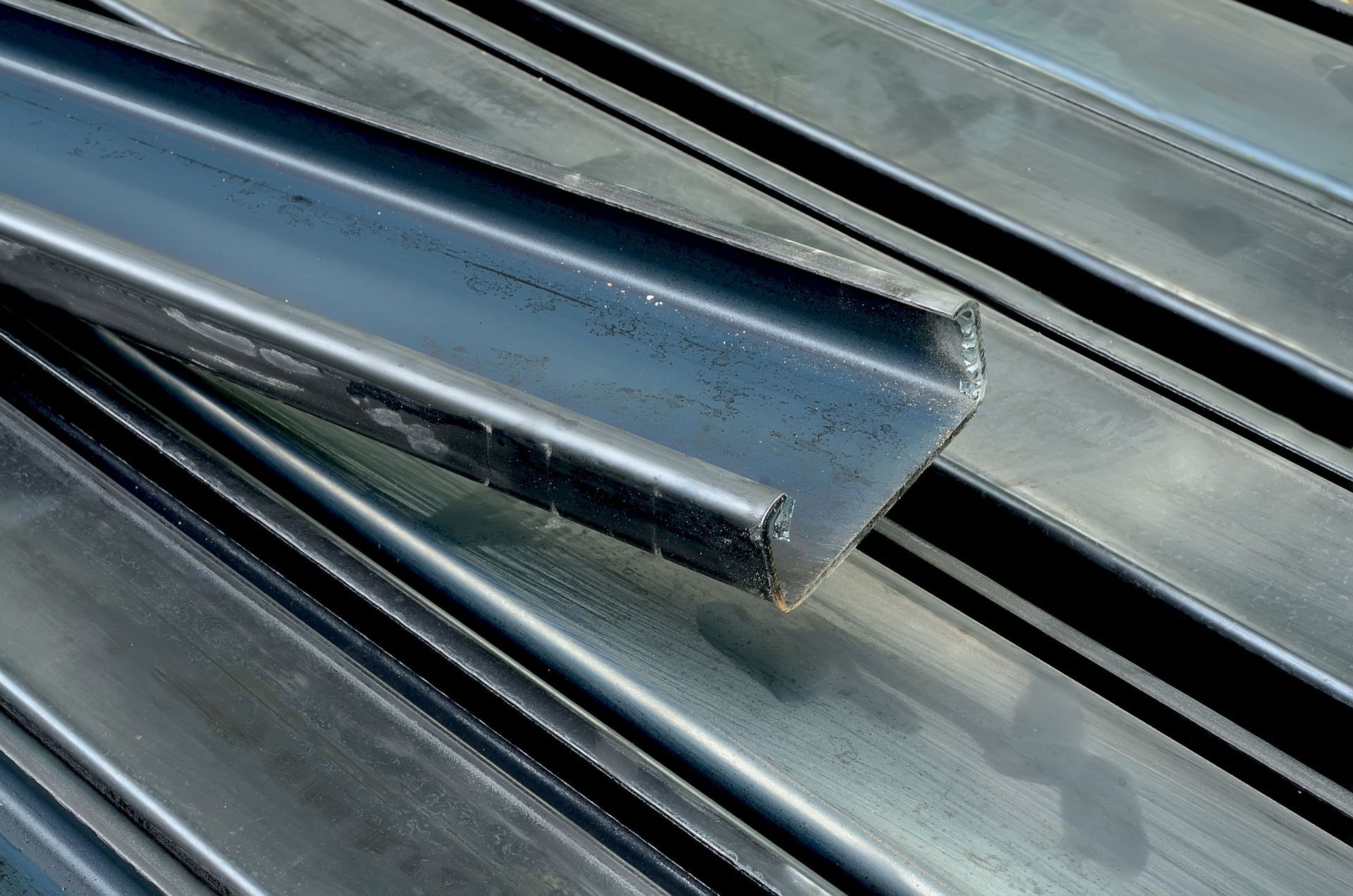
One of the most significant shifts in this space is the widespread adoption of metal roof decking as a structural foundation. Once considered a specialty solution, metal decking has become the standard for commercial and multi-story buildings thanks to its strength, reliability, and compatibility with modern roofing systems. Understanding why this transition is happening reveals not only how commercial roofs have evolved, but also why metal decking continues to set the benchmark for performance and safety.
Durability
One of the most compelling reasons metal decking has become a preferred material in commercial construction is its durability. Unlike wood or other traditional substrates, metal panels are highly resistant to moisture damage, rot, insects, and warping. These qualities are especially important in large commercial facilities where roof failure or degradation can lead to costly repairs, operational downtime, or safety concerns.
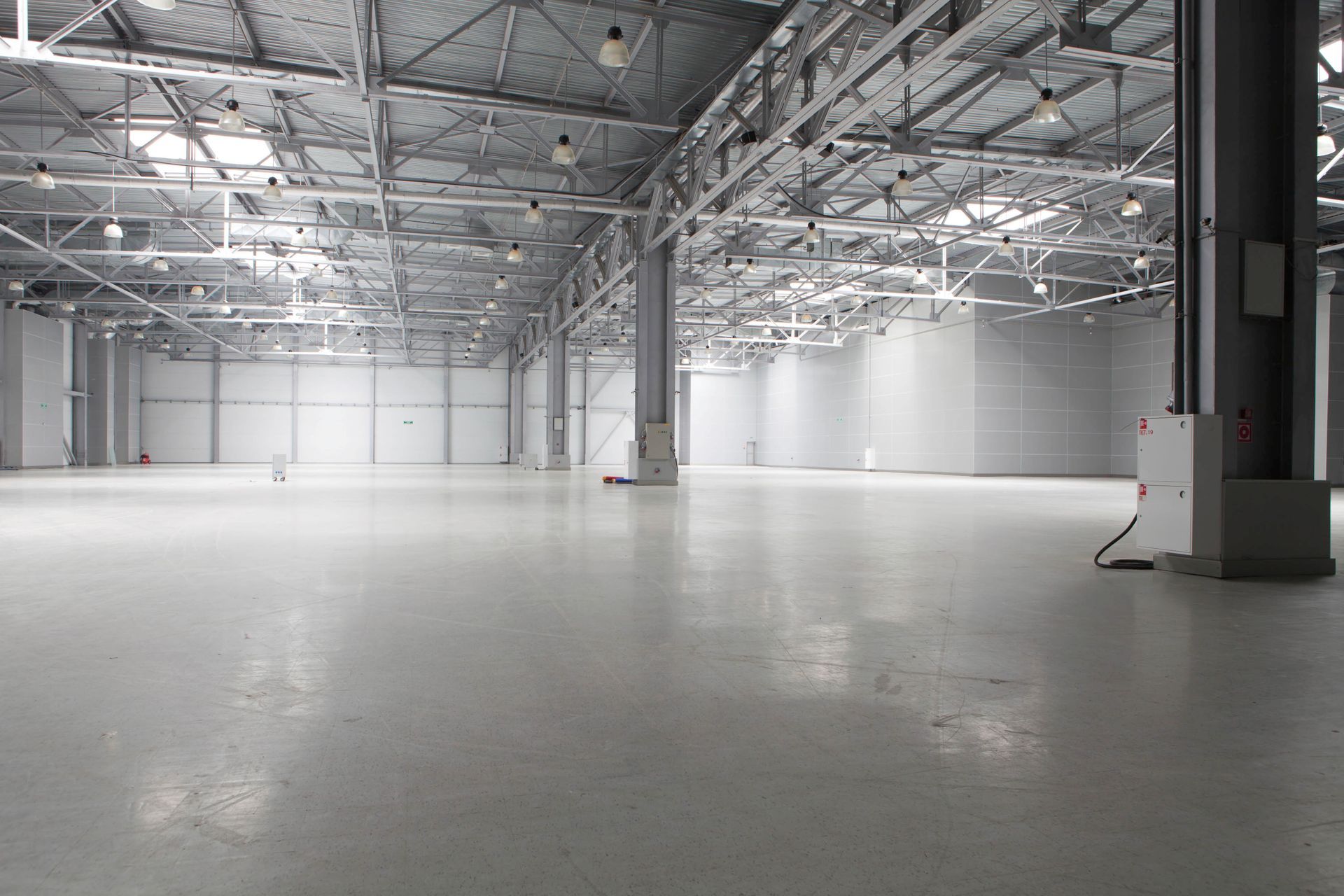
Metal roof decking is engineered to withstand harsh conditions over long periods of time, making it ideal for buildings exposed to heavy use or challenging environments. From warehouses and manufacturing plants to offices and institutional facilities, durability ensures that the roof structure maintains its integrity year after year. This long-term resilience reduces the need for frequent repairs and helps protect the overall investment in the building.
Strength
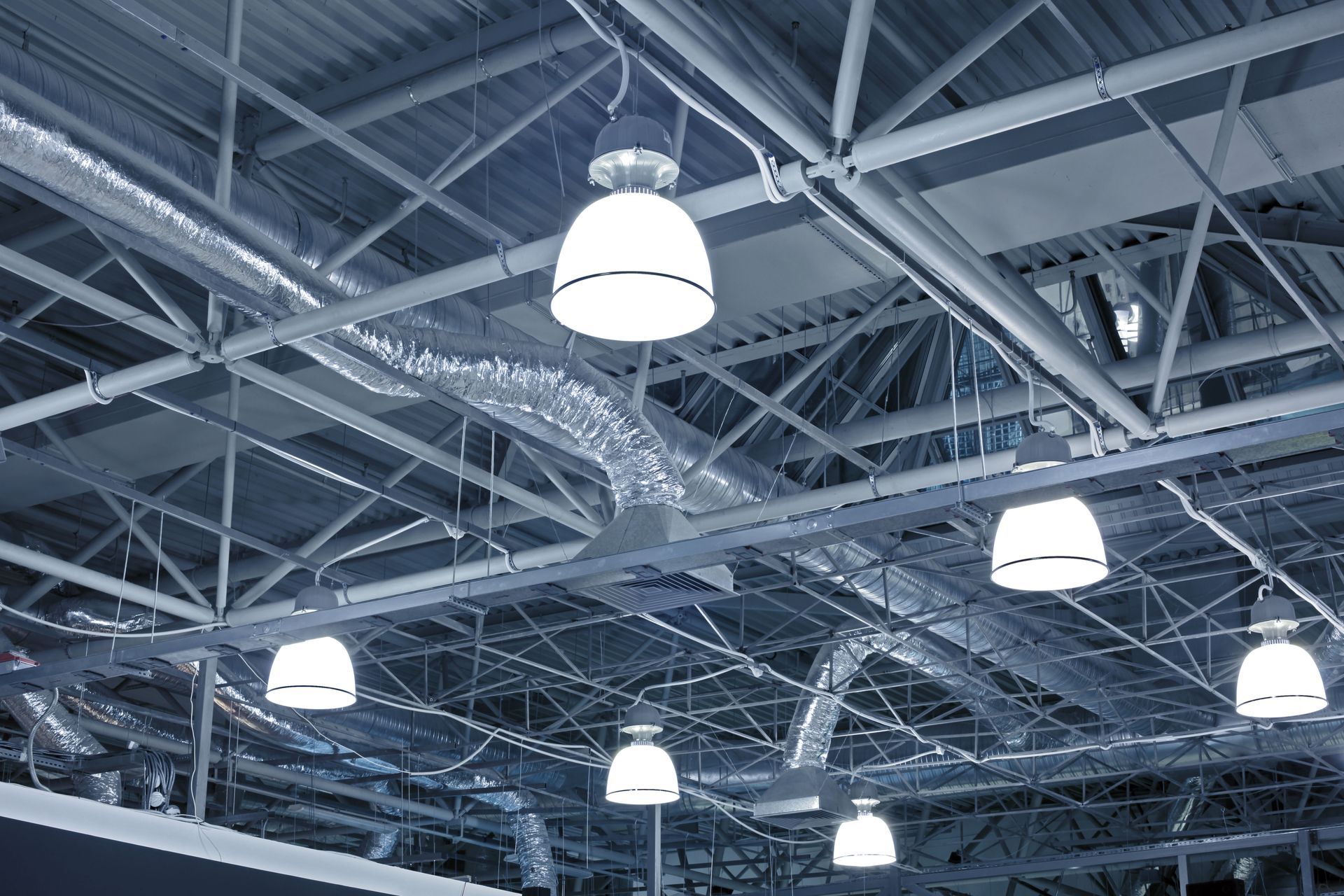
Another defining advantage of metal decking systems is their strength. Commercial roofs must support far more than just roofing materials—they often carry HVAC units, mechanical equipment, snow loads, and wind forces. Metal panels distribute these loads evenly across the structure, minimizing stress concentrations that can lead to sagging or failure.
By providing a rigid structural base, metal roof decking enhances the building’s ability to handle high-load applications safely. This strength is particularly valuable in multi-story buildings, where structural demands increase with height. Engineers and contractors rely on metal decking to create roofs that are not only strong at installation but remain dependable under continuous use and evolving building demands.
Stability
The stability is critical to the long-term performance of any commercial roof system. Metal decking plays a central role by acting as the backbone that ties roofing components together. When properly fabricated and installed, the panels help maintain consistent load distribution and prevent movement that could compromise the roof over time.
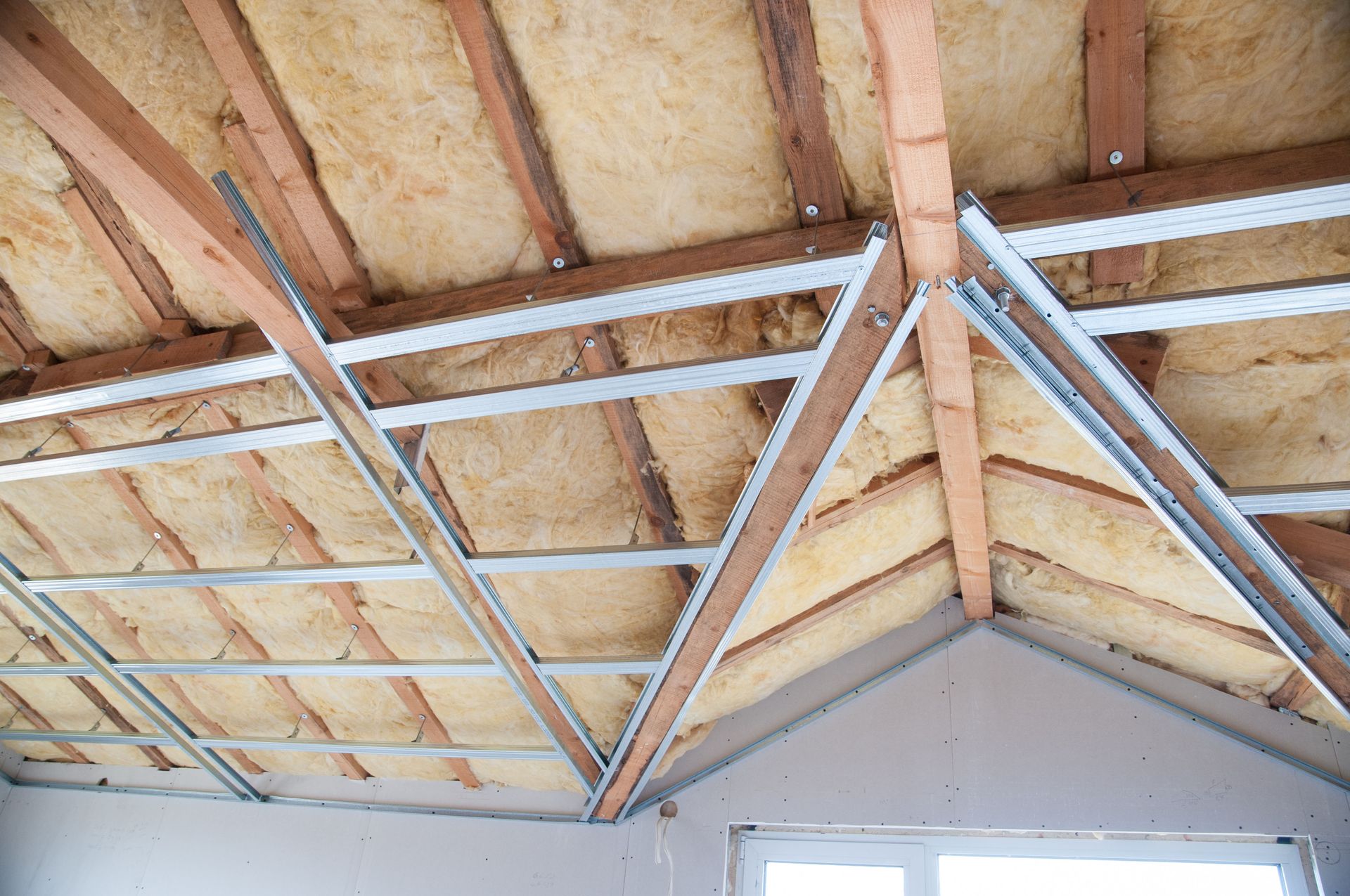
A stable roof system depends heavily on high-quality roof decking that integrates seamlessly with insulation layers, waterproofing membranes, and other roofing components. This integration helps prevent deflection, cracking, or separation under stress. In large commercial structures, where even minor movement can escalate into major issues, stability becomes a non-negotiable requirement—and metal decking delivers it reliably.
Compatibility
Modern commercial roofs are complex assemblies designed to balance performance, efficiency, and durability. Compatibility between materials is essential to achieving this balance. Metal decking is designed to work seamlessly with a wide range of roofing systems, insulation types, and waterproofing solutions, making it an adaptable choice for diverse projects.
When roof decking is fabricated to precise specifications, it aligns cleanly with additional roofing layers, reducing installation challenges and minimizing the risk of performance issues. This compatibility improves energy efficiency, moisture resistance, and overall roof lifespan. As roofing systems continue to evolve, metal decking remains a flexible foundation that supports innovation rather than limiting it.
Efficiency
Construction efficiency has become a top priority in commercial building projects, where timelines and budgets are closely monitored. Metal decking contributes significantly to efficiency by offering standardized panel sizes, lighter weight compared to alternative materials, and faster installation times. These factors help keep projects moving without unnecessary delays.
Using roof decking that is fabricated with precision reduces on-site adjustments and rework, allowing installation crews to work more quickly and accurately. Faster installation not only lowers labor costs but also minimizes disruptions to surrounding operations. For commercial projects operating on tight schedules, efficiency gains like these can make a substantial difference in overall project success.
Growth
The increased reliance on metal decking is also reflected in broader industry trends. As commercial construction continues to expand, demand for materials that offer strength, durability, and predictable performance has grown alongside it. Metal decking meets these expectations, making it a trusted solution across a wide range of building types. This shift reflects a broader preference for materials that support long-term planning rather than short-term fixes.
This confidence is reinforced by market projections. According to Reports and Data, the metal roof decking market is expected to reach a valuation of approximately $4.5 billion by 2034. This projected growth highlights how metal systems have moved from alternative solutions to industry standards, driven by long-term value rather than short-term convenience.
Compliance
Building codes and safety regulations play a major role in material selection for commercial construction. Metal decking aligns well with these requirements, offering fire resistance, diaphragm action under load, and consistent structural performance. These characteristics make it easier for projects to meet or exceed regulatory standards. As regulations become more stringent, materials that already satisfy these expectations help reduce approval delays and compliance-related risks.
Compliance is not just about passing inspections—it’s about ensuring occupant safety and long-term reliability. Metal decking systems are engineered to perform under extreme conditions, including high winds and heavy loads. As codes continue to evolve, materials that already meet stringent requirements are naturally favored, further reinforcing metal decking’s role as the commercial standard.
Reliability
Dependability begins with quality manufacturing and extends through installation and long-term performance. Consistency in material thickness, panel dimensions, and finishes ensures that every component performs as expected on the job site. This level of reliability reduces errors, waste, and unexpected complications during construction.
For contractors and building owners alike, reliable materials translate to confidence in the finished structure. When metal decking is produced under controlled conditions and tested to meet industry standards, it delivers predictable results. That dependability is a key reason why metal decking continues to earn trust across commercial and industrial construction projects.
Metal decking has earned its place as the standard for commercial buildings by delivering strength, durability, stability, and efficiency in a single structural solution. Its ability to integrate with modern roofing systems, meet rigorous codes, and support heavy loads makes it uniquely suited to today’s construction demands. As commercial buildings grow more complex, dependable structural materials are no longer optional—they are essential.
Choosing the right roof decking is ultimately about protecting the long-term performance of the building. With proven reliability and a strong future outlook, metal decking is not just a trend but a foundational component of modern commercial construction. By investing in materials designed to perform under demanding conditions, property owners can reduce long-term risk while maximizing structural value. This forward-thinking approach supports safer buildings, lower maintenance costs, and more predictable performance over time.
When your commercial project demands strength, precision, and long-term performance, partner with a team that delivers. North-East Deck & Steel provides expertly fabricated metal decking solutions designed to support today’s most demanding roofing systems. Contact us to learn how our in-house capabilities can help your next project succeed.
Share On: