How Roof Metal Decking Provides Efficient, Low-Cost Stability
Modern commercial and industrial construction demands materials that can balance structural integrity with demanding project budgets and aggressive timelines. One of the most effective solutions available to today's developers is corrugated steel, which has fundamentally transformed how large-scale buildings are enclosed. By exploring the multifaceted benefits of this material, facility owners can better understand how it creates an optimized, resilient structural envelope.
Understanding the Mechanics of Structural Support
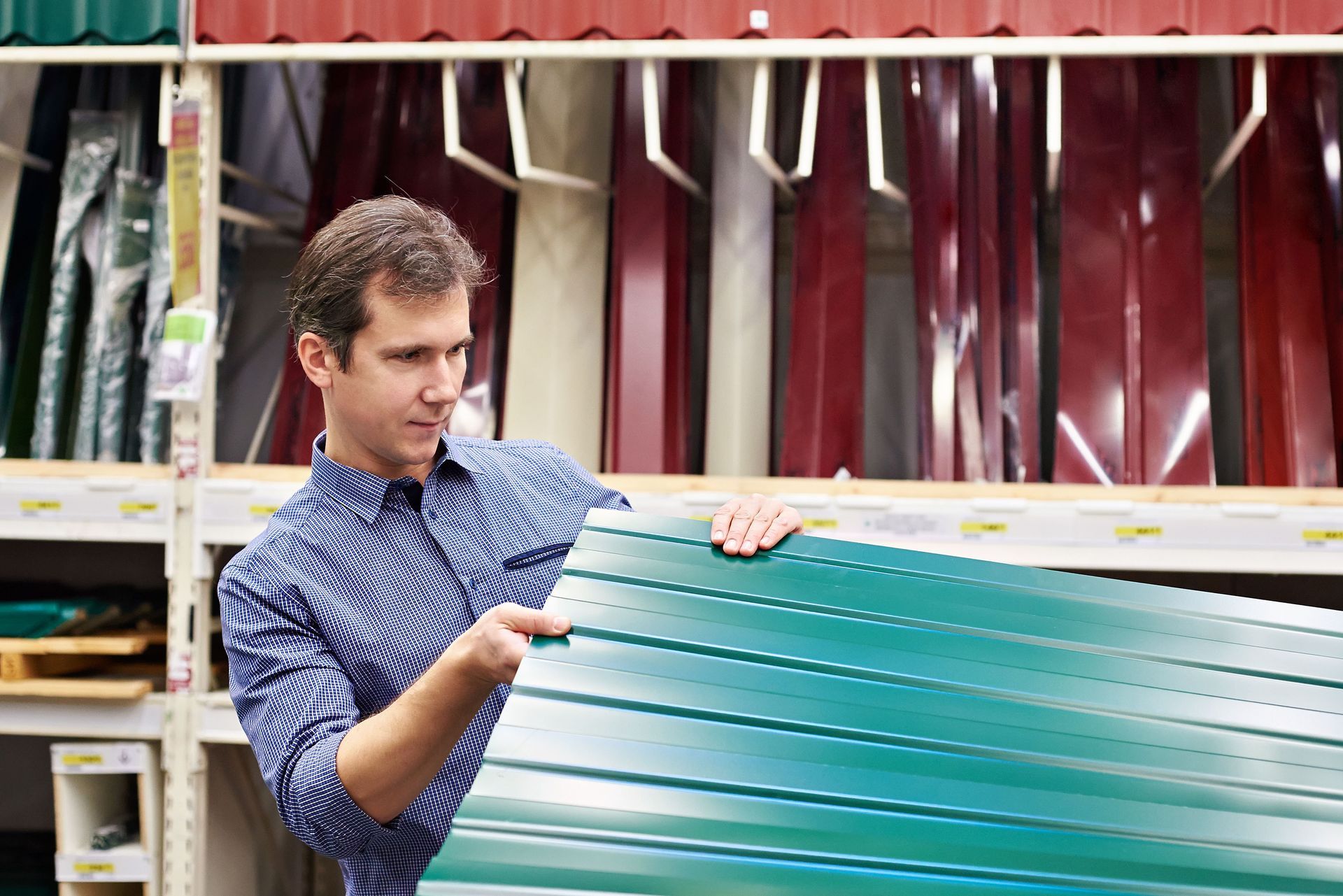
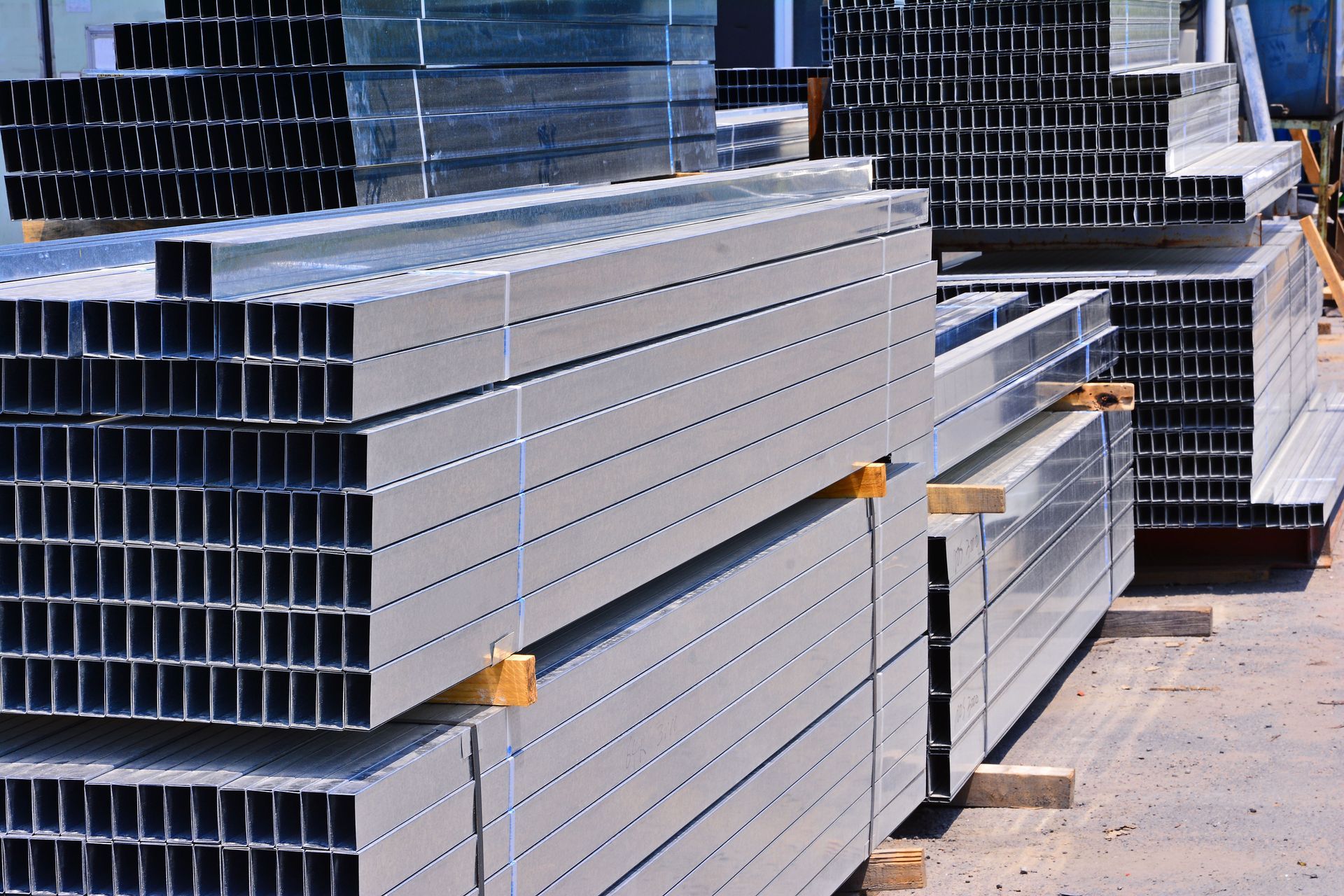
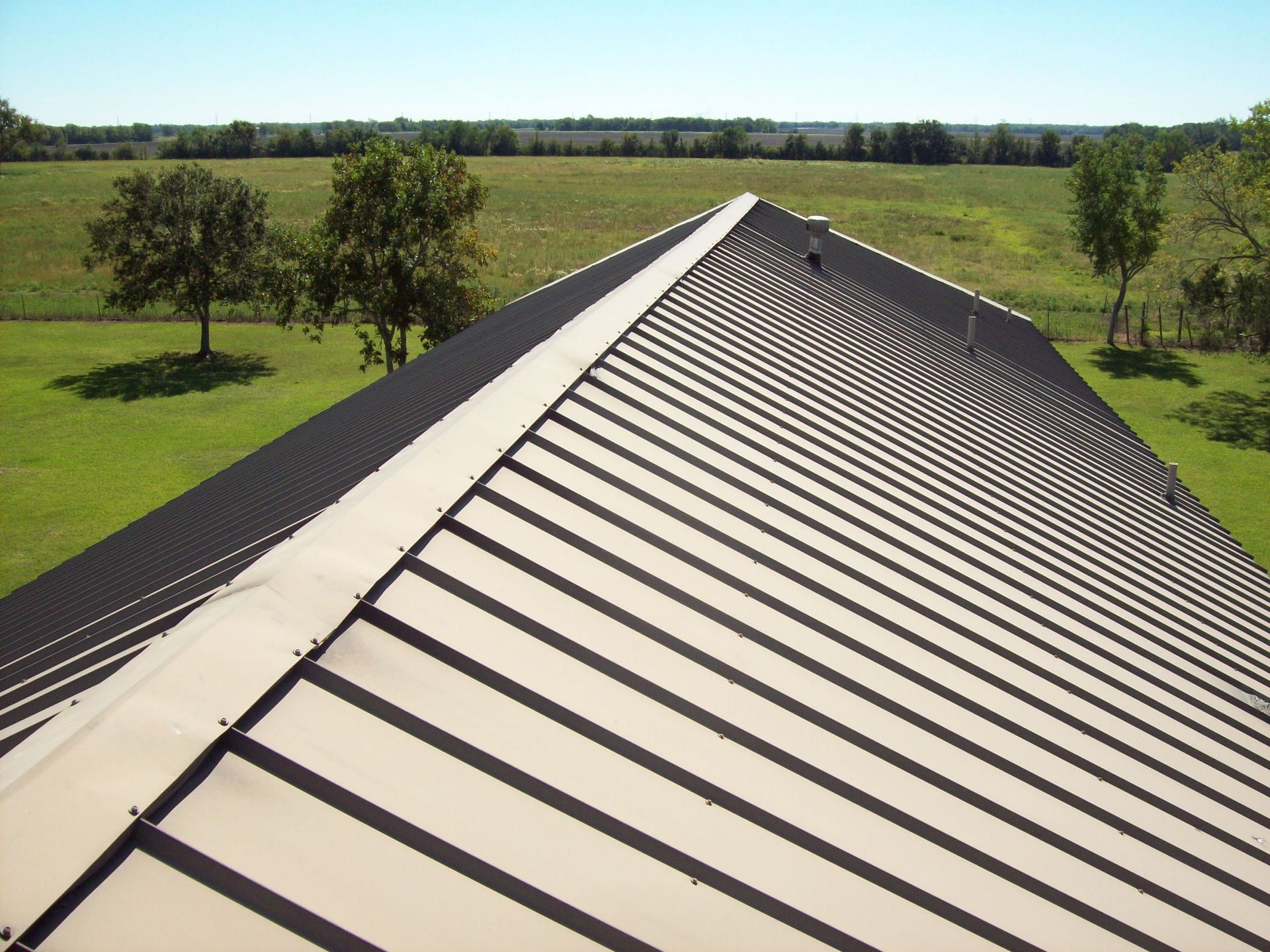
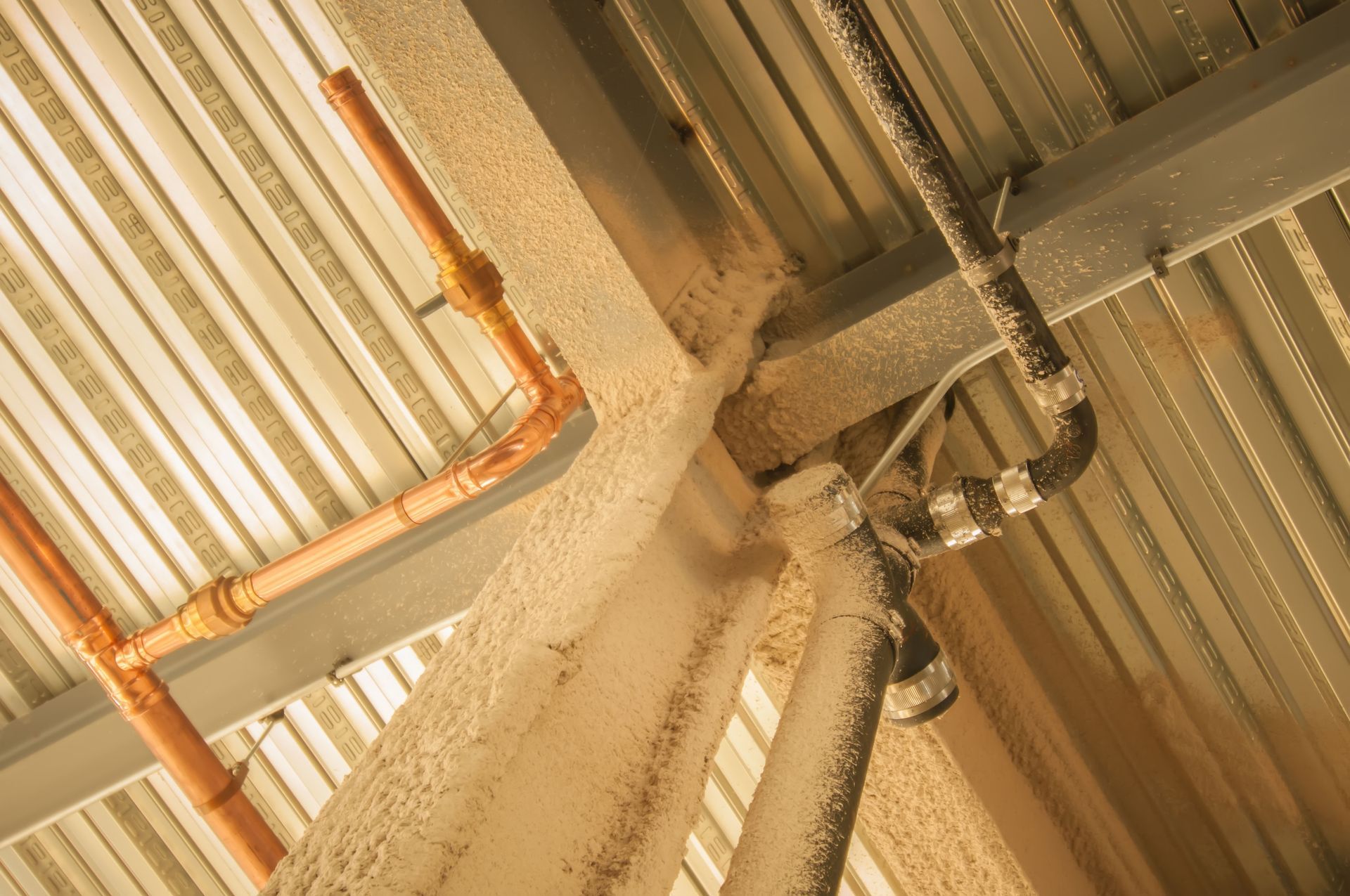
To truly appreciate the value brought to modern construction by corrugated steel systems, one must examine the core engineering principles that allow thin sheets to bear immense loads. The manufacturing process begins with massive coils of high-strength sheet steel cold-formed through specialized rollers. This intricate shaping process creates a fluted profile that exponentially increases the stiffness of the raw material. Wide, intermediate, and deep rib profiles each serve unique structural purposes, allowing engineers to tailor the material to precise facility demands. The magic of this design lies in its exceptional strength-to-weight ratio.
Even though individual sheets are incredibly lightweight, their geometric configuration grants them the rigidity necessary to support heavy insulation, roofing membranes, rooftop HVAC equipment, and eventual snow loads. According to the Steel Deck Institute, standard long-span steel decks are specifically designed to carry total roof loads across spans reaching up to 35 feet, completely negating the requirement for any intermediate support framing in between. To ensure these systems perform as intended from the conceptual phase to execution, developers frequently rely on specialized roof metal decking services to handle the rigorous demands of proper material selection. By choosing the exact gauge and profile required for the expected stresses, designers create an optimized overhead barrier requiring fewer raw materials.
Maximizing the Efficiency of Construction Timelines
One of the most pressing challenges in commercial development is the race against the calendar, as time on a construction site directly translates into massive financial expenditures. Traditional substructures, particularly those relying on poured concrete or heavy timber framing, are slow to install and vulnerable to weather delays. Conversely, corrugated steel panels arrive at the site pre-cut to specified lengths, neatly bundled, and ready for immediate deployment. The sheer speed at which a trained crew can hoist these bundles by crane and spread the individual sheets is nothing short of remarkable. A modest crew can comfortably cover a high square footage in a short period of time, fundamentally shifting the critical path of the schedule.
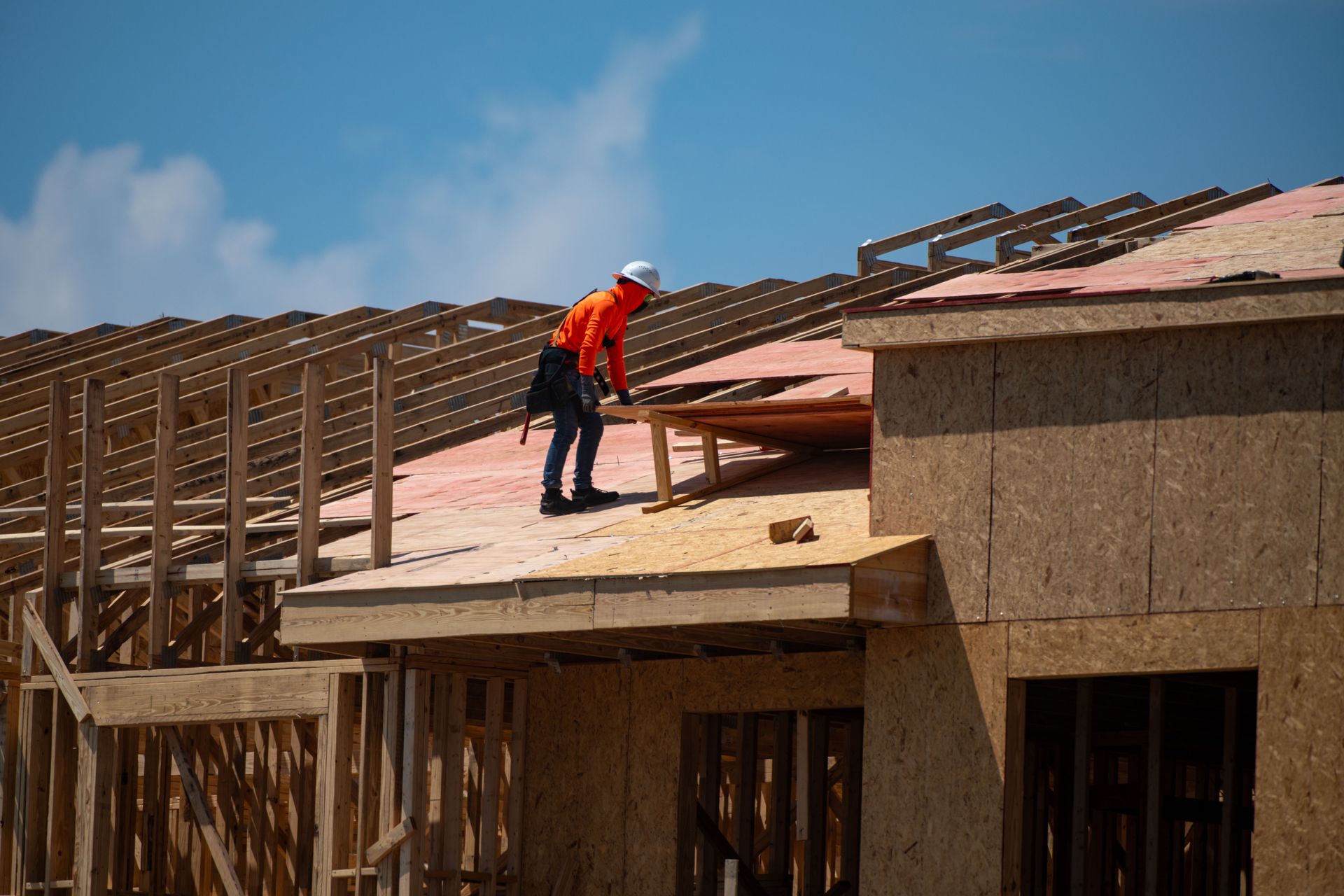
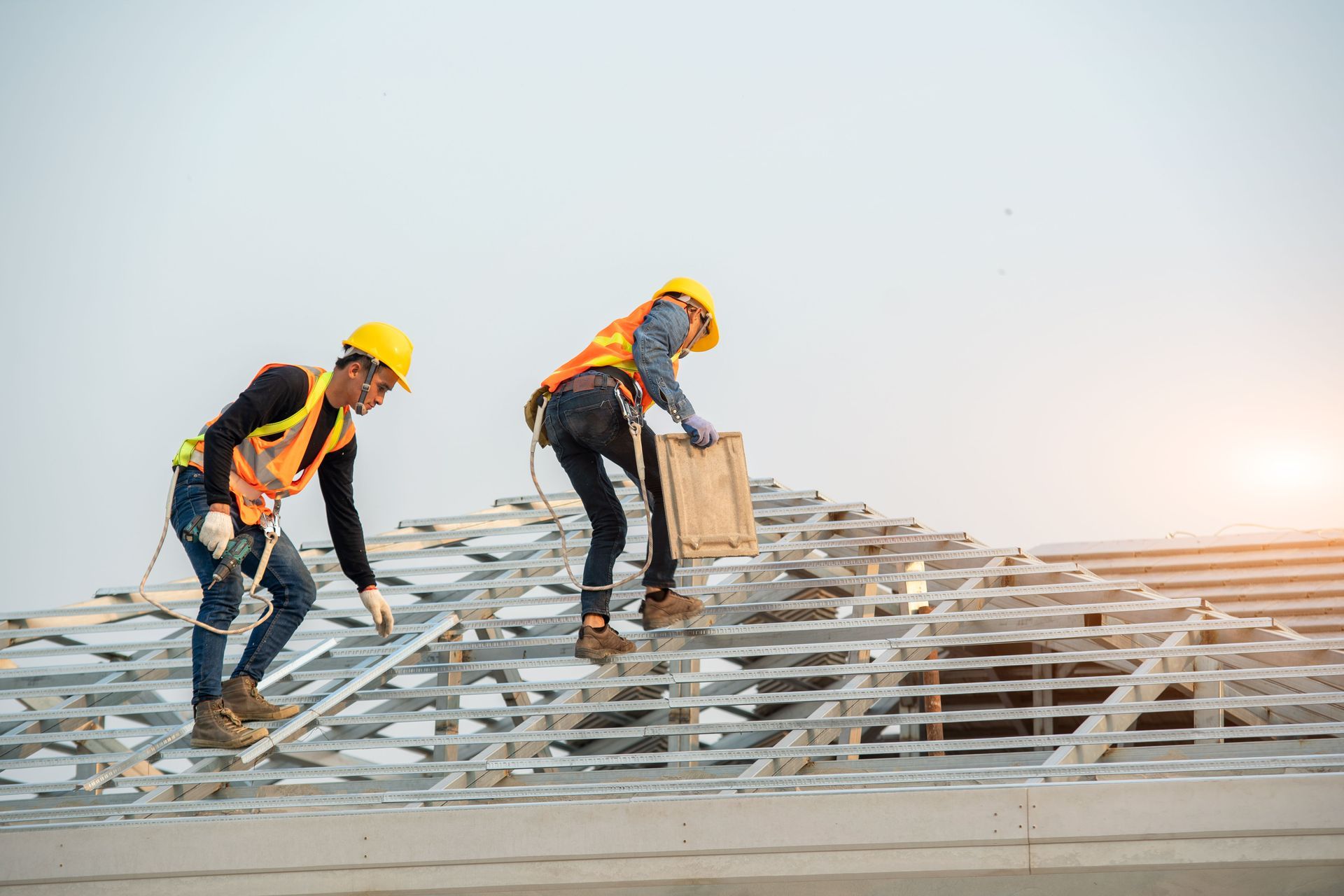
As soon as the panels are laid out, they provide a safe, walkable platform for other trades. This immediate physical barrier creates a dry-in effect for the floors below, effectively shielding the interior from rain and allowing delicate trades like electrical wiring and drywall to commence weeks ahead of schedule. Without the need for extensive curing times or complex, multi-layered base construction, general contractors can easily streamline the coordination of all subsequent trades. By leveraging professional roof metal decking services, contractors can dramatically compress their schedules, mitigate risks associated with unpredictable weather patterns, and hand over the keys much faster. The cascading time savings generated by this rapid deployment strategy positively impact every subsequent phase of the building project.
Minimizing the Costs of Building Projects
The financial benefits of utilizing corrugated steel systems extend far beyond the initial purchase price. While the raw material costs are highly competitive, the true economic advantage lies in the cascading savings that ripple downward through the structural frame. Because the sheets are remarkably lightweight yet capable of spanning significant distances, engineers can drastically reduce the number of secondary framing members required to support the roof. Fewer joists mean less structural steel is needed, which reduces the dead weight resting on the main girders and columns. This progressive reduction in weight ultimately means the concrete foundation can be designed with less bulk, saving massive amounts of concrete and excavation labor.
Additionally, the lightweight nature of the panels reduces shipping and logistics costs, as more square footage can be packed onto a single flatbed trailer compared to precast alternatives. Procuring top-tier roof metal decking services allows project managers to capitalize on these reduced labor and material expenses from the first day of installation. The accelerated installation speed requires fewer billable labor hours, significantly slashing payroll costs. Over the long term, these systems contribute to minimized maintenance. The non-combustible nature of steel often qualifies the building for better insurance premiums, while galvanized coatings prevent rust entirely.
Delivering the Stability for Extreme Environments
While speed and cost are primary drivers, the ultimate measure of any building material is its ability to protect occupants during catastrophic events. Corrugated steel assemblies provide unparalleled resilience when subjected to severe environmental stresses. Once the individual panels are securely fastened to the underlying framework and stitched together at their side laps, they begin functioning as a massive, unified structural diaphragm. This horizontal diaphragm captures lateral forces generated by hurricane-force winds or violent seismic activity and transfers those massive loads safely down to the foundation. Buildings constructed in seismically active regions require exact engineering calculations, which is why engaging experienced roof metal decking services is an absolute necessity for compliance and safety.
These professionals understand the precise fastening patterns required to achieve the necessary shear strength to resist explosive wind uplift pressures that threaten to tear roofs off during severe storms. Furthermore, these roof metal decking services provide the necessary fastening protocols to ensure the metal sheets form a rigid, unyielding diaphragm across the entire building footprint. Beyond weather events, steel panels offer exceptional fire resistance. Unlike wood framing that fuels a fire, steel maintains its structural integrity at high temperatures for extended periods, providing crucial time for evacuation efforts. This robust stability ensures that industrial facilities and commercial hubs remain secure and intact regardless of extreme conditions.
Partnering with the Experts in Installation
The performance of a corrugated steel system is intrinsically tied to the quality of its installation, making the selection of the labor force a critical decision. Even perfectly engineered materials can fail catastrophically if they are not attached to the building frame using the correct methods. Experienced installation crews bring specialized knowledge to the job site, ensuring every panel is aligned perfectly and every attachment point meets the strict requirements of the engineer. The fastening methods utilized are highly technical and vary depending on the demands of the project. Puddle welding, where an arc melts through the panel to fuse it with the supporting steel, requires immense skill to avoid burning holes in the sheet metal.
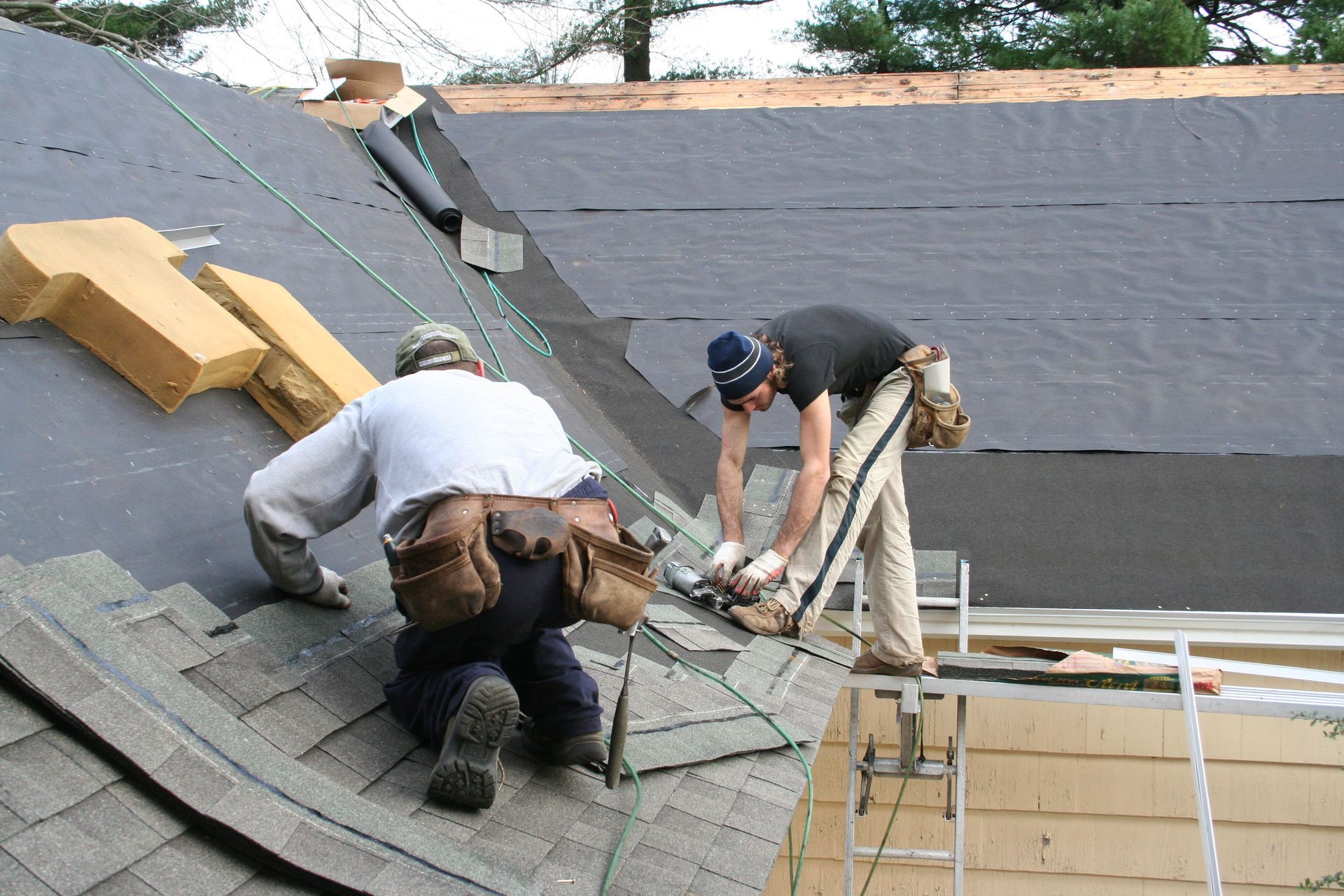
Alternatively, heavy-duty powder-actuated fasteners or specialized self-drilling screws might be specified, each requiring specific torque settings. Side laps must also be intricately secured using side-lap screws to ensure the diaphragm functions correctly. Investing in reputable roof metal decking services guarantees that the structural paneling is installed according to the strictest building codes. These experts guarantee the structural integrity of the roof while maintaining rigorous safety protocols, protecting workers from fall hazards associated with leading-edge construction. By entrusting this critical phase to seasoned professionals, building owners ensure their investment is flawless.
Utilizing steel panels for overhead enclosures offers developers a perfect synergy of rapid installation, affordability, and unwavering structural performance. By eliminating complex intermediate framing and accelerating the overall construction timeline, this building method delivers substantial economic advantages without compromising on safety or resilience. Facility owners who choose this route are ultimately rewarded with a highly durable, low-maintenance asset that will stand the test of time and protect their investments for decades. For more insight on the efficiency of using roof metal decking services, please contact North-East Deck & Steel.
Share On: