How to Choose the Right Gauge for Metal Roof Decking
The process of selecting the appropriate gauge for metal roof decking is a critical decision in building design and construction. Choosing the right gauge not only impacts the structural integrity and aesthetic of a building but also its longevity and environmental efficiency. It is essential to evaluate key aspects such as the type of material, building codes, and the specific demands of the project's environment. This article delves into the nuances of local roof decking, guiding you through the considerations required to make an informed selection. Through a comprehensive exploration of different factors, we aim to equip you with the knowledge needed to choose the optimal gauge for your project.
Understanding Metal Roof Decking
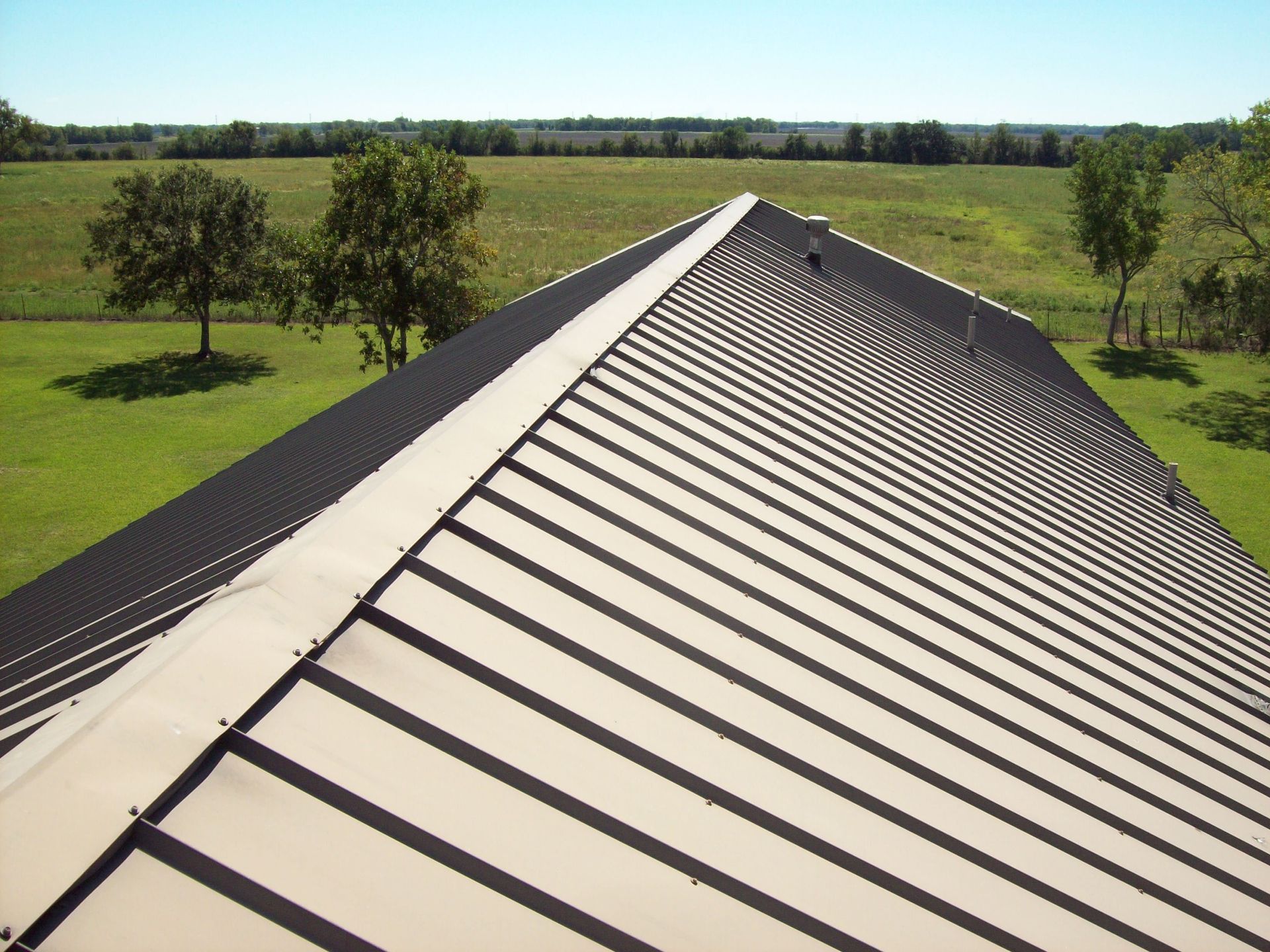
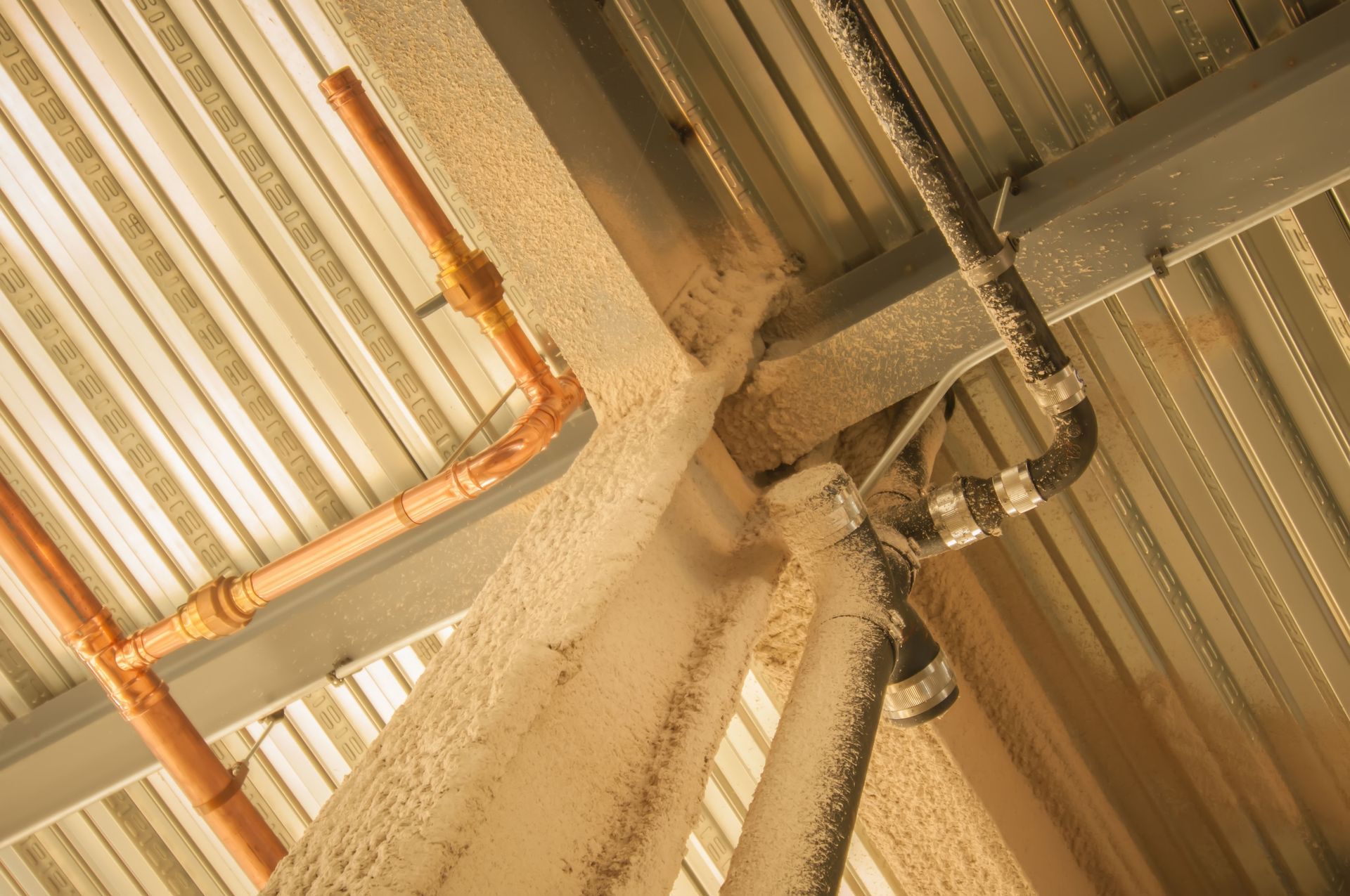
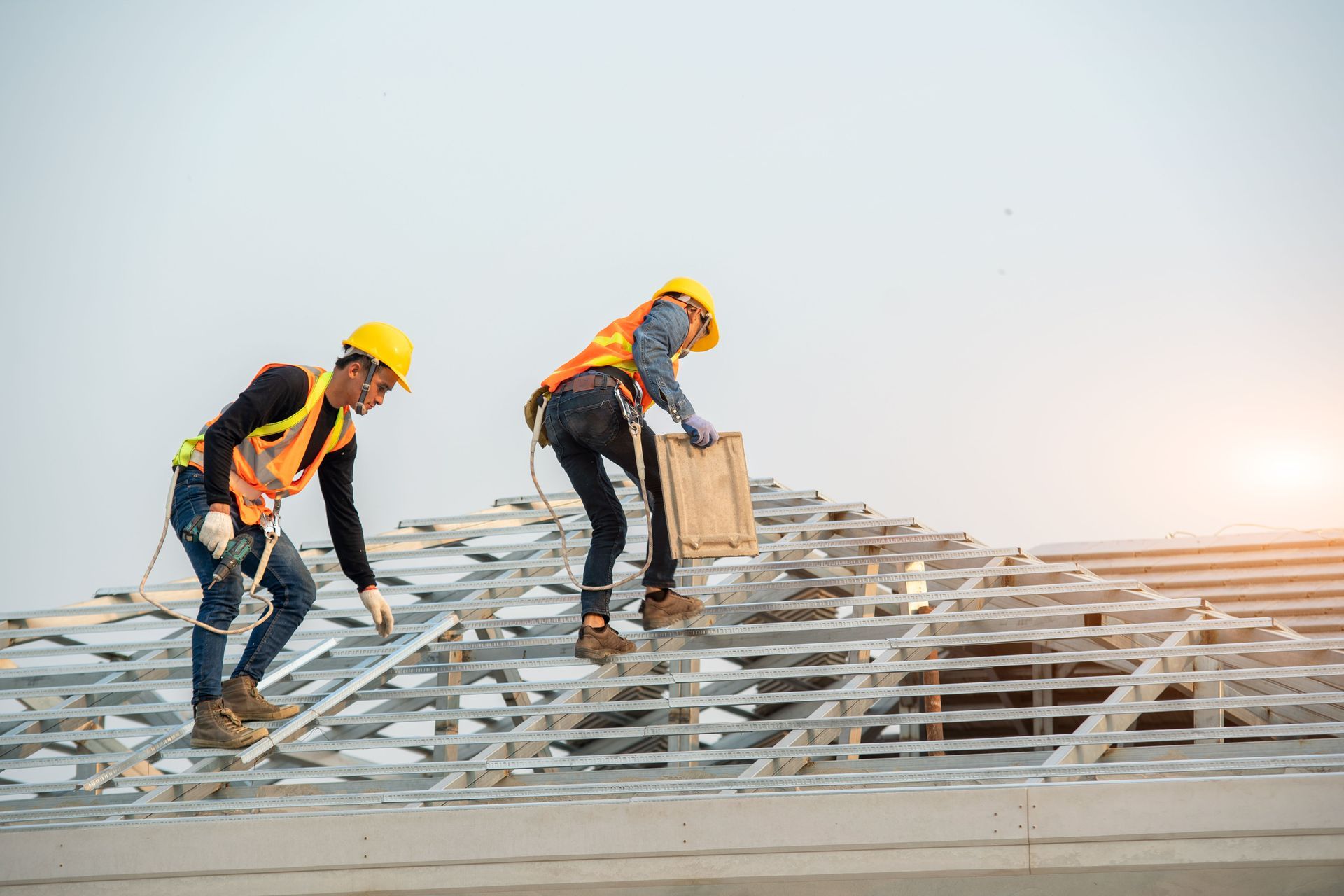
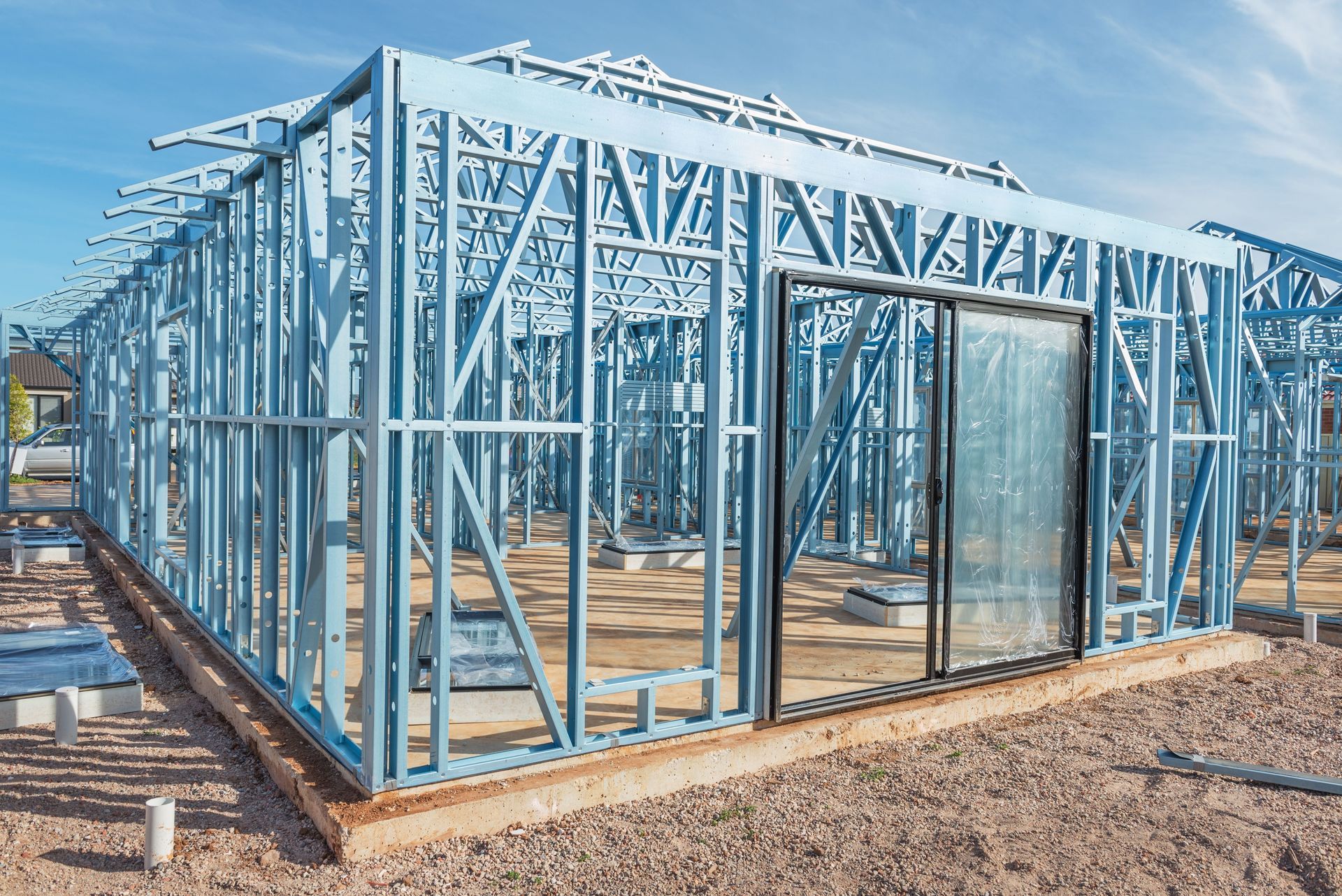
Metal roof decking serves as a vital component in the construction of roofs, providing both structural support and a base for insulation and roofing materials. Typically composed of metals like steel or aluminum, these decks are designed to withstand various environmental conditions while supporting significant loads. The design and installation of local roof decking must consider elements such as span, spacing, and the type of material used. Metal roofing is favored for its robustness and versatility, making it suitable for a range of applications from commercial setups to residential homes. Ultimately, the choice of material and its respective specifications will significantly influence the overall performance and longevity of the roof structure.
Among the most popular materials for metal roof decking are steel and aluminum due to their strength and corrosion resistance. Steel, often galvanized or coated, provides an optimal balance between cost and durability, making it a preferred choice for many builders. Aluminum, while typically more expensive, offers higher resistance to corrosion, especially in environments with high humidity or coastal air. Additionally, materials such as copper and zinc are employed in premium applications for their aesthetic appeal and sustainable characteristics. Working with a premium supplier ensures you secure the correct local roof decking for your region.
The gauge of a metal is vital in determining its thickness, strength, and ability to withstand loads. In metal roofing, a smaller gauge number indicates a thicker and sturdier metal piece, with varied gauges meeting different structural and aesthetic requirements. Choosing the correct gauge impacts not only the durability of the roof but also its resistance to various environmental stresses and potential sound insulation properties. For instance, 22-gauge steel, often used in roofing, is typically 0.0295 inches thick according to the Steel Deck Institute, providing a robust option for many commercial applications. It is imperative to balance cost considerations with the practical requirements of the building when selecting your local roof decking.
Factors Influencing Gauge Selection
The gauge of metal roofing directly influences its load-bearing capacity, which refers to the maximum weight the roof can support without risk of structural failure. Heavier gauge metals, which are thicker, can support more weight and stress, making them ideal for applications requiring high durability and strength. Conversely, lighter gauges are suitable for residential structures where load demands are lower. Calculating the expected load, including the weight of snow, water, and any additional equipment, is crucial before determining the right thickness for your local roof decking. By understanding these requirements, builders can fine-tune their material choices to ensure both safety and cost-effectiveness.
Environmental factors and climate conditions play a significant role in determining the appropriate metal gauge for a roofing project. Areas prone to severe weather patterns such as hurricanes or heavy snow require thicker gauges to ensure structural integrity and durability. Metal roofs in coastal regions may need thicker, more resistant gauges to effectively combat salt corrosion. The ability to withstand temperature fluctuations and UV exposure is also essential, particularly in harsh climates, to prolong the life span of the roofing. Mitigating environmental impact while optimizing the gauge selection to meet these conditions ensures you install local roof decking that is both effective and sustainable.
Adhering to local building codes and regulations is essential when choosing the gauge for your structural profile, as these laws ensure safety and compliance within the construction industry. Codes often define minimum thicknesses and material types based on regional risks, historical building performance, and public safety concerns. Failing to meet these regulations can result in legal penalties, increased insurance costs, and structural issues. Consulting with local authorities provides clear guidance when selecting an appropriate gauge for your local roof decking. Additionally, familiarity with these codes can inform about innovations in building materials and leading practices in the construction industry.
Comparing Different Gauge Options
Understanding gauge terminology is foundational for evaluating local roof decking, as it denotes the thickness of the material used. A gauge number refers to a standardized measurement system where lower numbers indicate thicker metals, providing a guideline for comparing material strengths. Subtle differences exist between manufacturers, yet the general principle remains consistent, with variations spanning from light to heavy gauge. It is imperative to comprehend these differences to ensure accurate material selection. Familiarity with gauge nomenclature aids in understanding market options and technical specifications, enabling informed purchasing decisions.
Light gauge metals are typically used in applications where weight reduction is a priority, such as residential structures, and offer lower cost but less strength. Medium gauge materials strike a balance, providing adequate durability and performance for a wide range of commercial and industrial applications. Heavy gauges, like 22-gauge steel, used extensively in high-stress environments, offer superior strength and impact resistance. Each category comes with its own set of benefits and limitations, influencing decision-making based on specific project needs. Complementing these options, an understanding of project specificity ensures appropriate end-use alignment for your local roof decking.
Recent projects provide insightful data on the effectiveness of different gauge uses, highlighting successes across varying industries. One notable project in a hurricane-prone area effectively utilized 22-gauge steel to ensure robust resistance to strong winds and flying debris, safeguarding the structure. In another example, a sustainable residential complex in a coastal area employed medium-gauge aluminum to successfully withstand corrosive elements while remaining cost-effective. Learning from these case studies allows for analysis and application of leading practices, enabling sound and informed decisions subsequently.
Impact of Roof Performance
Gauge thickness directly impacts the durability and longevity of a metal roof, dictating how well it can withstand physical and environmental stresses over time. Thicker gauges offer enhanced resistance to wear and tear as well as environmental damage from wind, hail, and other factors. Conversely, lighter gauge materials may experience faster degradation, particularly in harsh climates or under heavy usage conditions. Choosing a gauge based on expected environmental exposure and service duration helps maximize roof life span. Using thicker materials like 22-gauge steel, which is 0.0295 inches thick, provides peace of mind in high-demand settings.
Thermal performance and insulation capabilities of metal roofs are significantly influenced by the gauge, affecting energy efficiency within a building. While metal itself is an excellent conductor of heat, thicker gauges combined with appropriate insulation techniques can prevent undesirable heat transfer. This results in greater temperature regulation within the building, leading to potential energy savings in heating and cooling costs. Gauge choice therefore must complement insulation requirements, providing a synergistic effect in thermal management. Sound thermal strategies contribute to improved environmental conditions and reduced operational expenses.
Selecting the ideal thickness for your metal roof decking project requires a meticulous evaluation of engineered load capacities, regional weather profiles, and precise structural framing specifications. By carefully balancing long-term material lifecycle savings against initial installation expenditures, you guarantee a robust, weather-resistant asset that shields your property infrastructure for generations to come. When you are ready to secure premium materials engineered precisely to your commercial or industrial architectural demands, trust the steel fabrication industry leaders at North-East Deck & Steel. Contact our expert team today to request a quote, finalize your technical design specifications, and purchase the exact structural decking your building requires.
Share On: