What Is Composite Metal Decking and How Is It Used in Construction?
Composite metal decking represents a foundational element in modern commercial construction, blending structural efficiency with high-performance engineering. This specialized building system combines the high tensile strength of steel with the compressive strength of concrete to create a robust, unified floor structure. It has revolutionized the way multi-story buildings are designed and erected. Understanding how these components interact is key to appreciating their widespread adoption across the global construction industry.
Understanding the Structural Composition
The foundation of composite metal decking lies in its unique profile design. The steel panels are rolled with specific embossments, ribs, and patterns that project upward from the surface. When liquid concrete is poured over these panels, the embossments lock the two elements together permanently, preventing any slippage between the steel sheet and the hardened concrete slab. This mechanical bond forms the core structural mechanism that makes the entire assembly viable under intense stress.
This interlocking mechanism makes certain that the two materials act as a single structural unit. The steel decking functions as positive reinforcement for the slab, absorbing tensile stresses, while the concrete bears the compressive loads. This harmonious distribution of forces allows engineers to design thinner slabs that still possess immense load-bearing capabilities. As a result, buildings can achieve greater structural integrity without adding unnecessary bulk to the floor plans.
Unlike traditional wood or temporary formwork, the steel remains a permanent fixture of the building. It does not need to be stripped away after the concrete cures. This dual functionality as both a construction platform and a permanent structural reinforcement makes composite metal decking an invaluable component in fast-paced commercial projects. It serves a vital purpose from the first day of installation through the entire lifecycle of the completed facility.
Examining the Main Applications
Multi-story commercial office buildings frequently utilize this system due to its ability to handle immense weight while keeping the overall building mass relatively low. High-rise developments require materials that reduce the dead load of the structure without compromising safety. By reducing the volume of concrete needed, the underlying structural steel frame experiences less stress. This weight reduction facilitates the safe planning of much taller buildings than would otherwise be feasible with solid concrete methods.
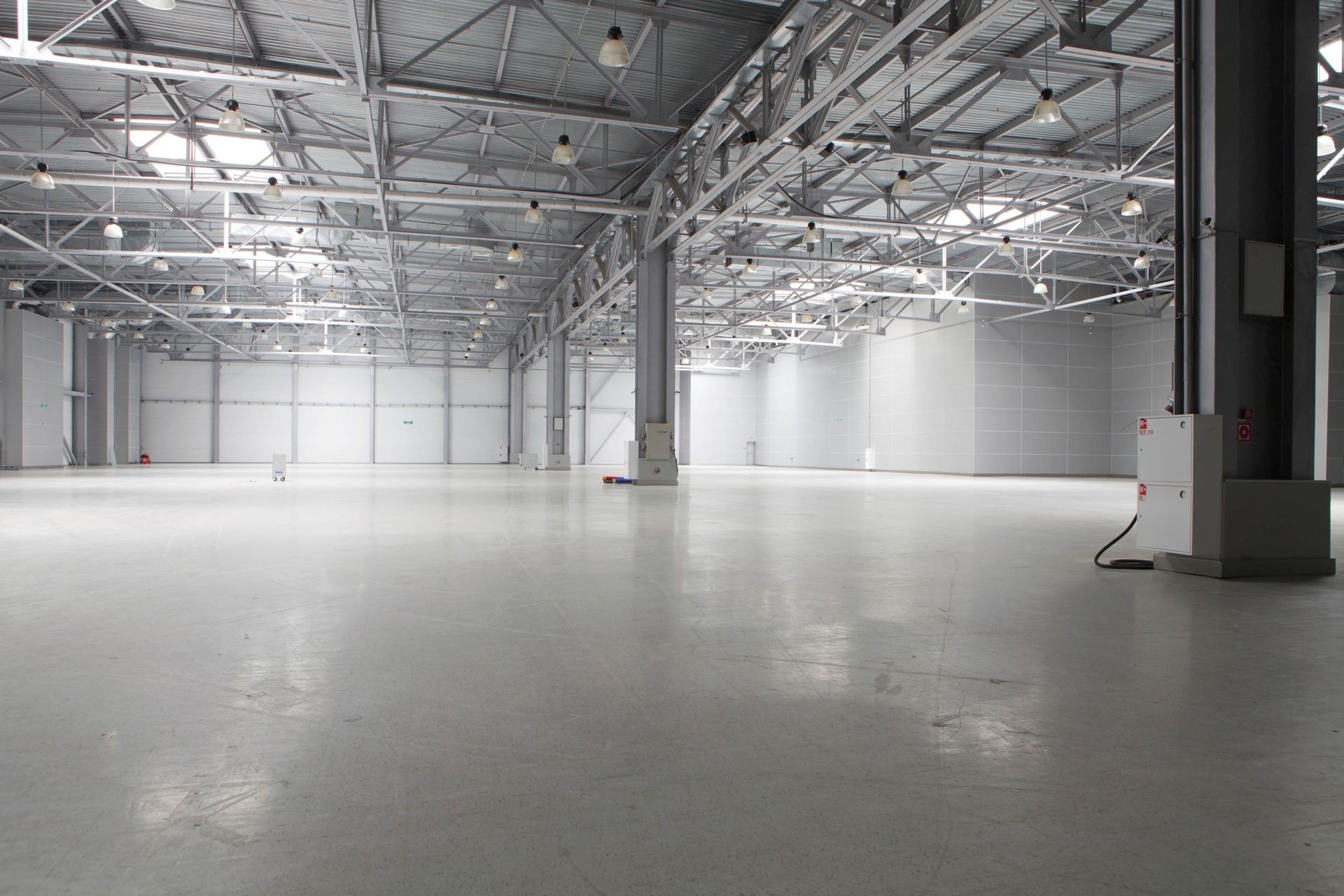
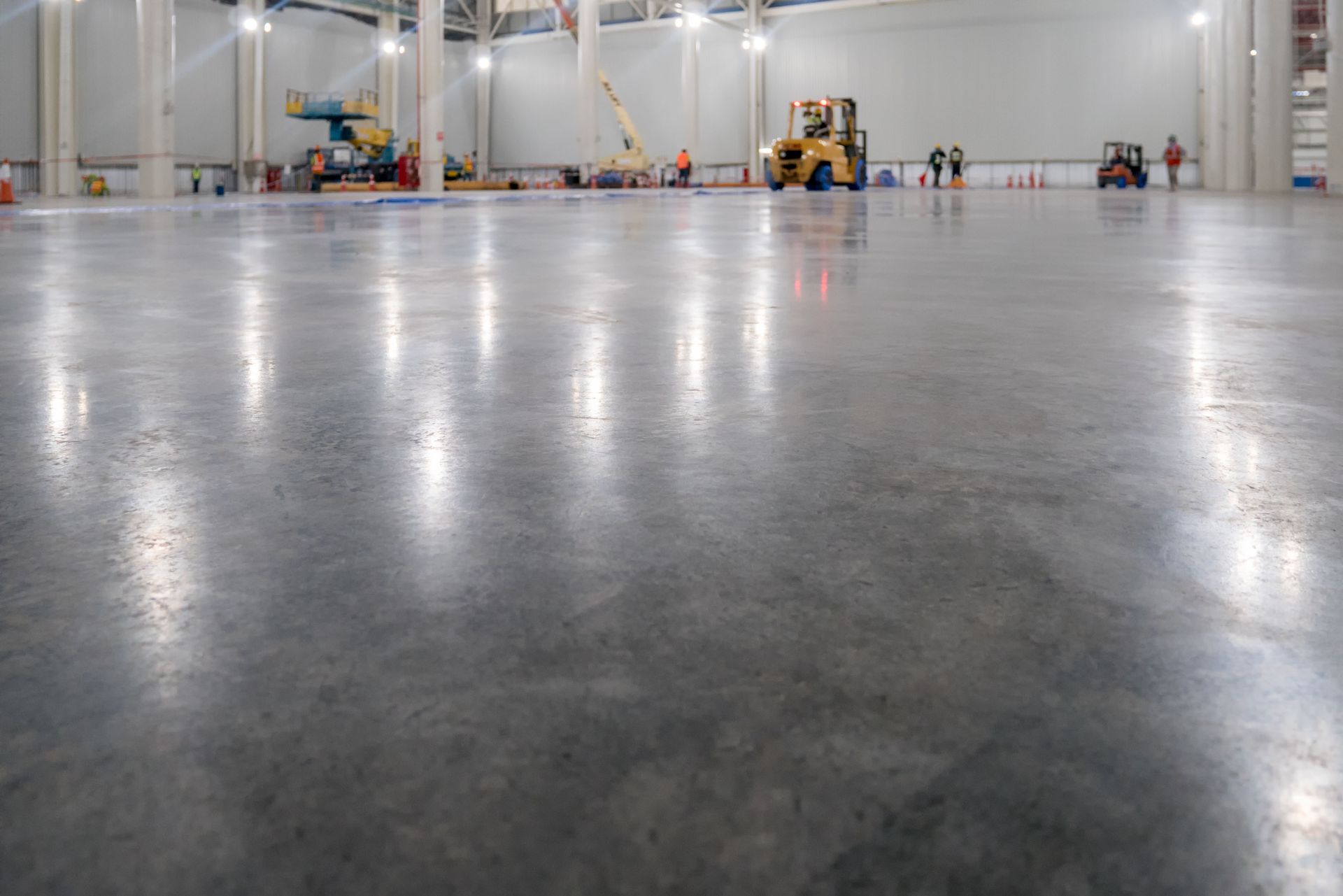
Industrial facilities, warehouses, and manufacturing plants also rely heavily on this construction method. These environments demand flooring systems that can withstand heavy machinery, constant foot traffic, and dynamic shifting loads. The inherent durability of the steel-and-concrete bond preserves the floor layout under rigorous daily operational demands. Contractors select this system because it stands up to the toughest industrial wear over long periods.
Furthermore, parking structures and institutional buildings like hospitals or universities routinely incorporate composite metal decking into their floor plans. These structures benefit from the long spans achievable with this material, allowing for more open floor space with fewer interior supporting columns. This flexibility in spatial design is a primary reason for its widespread adoption across the commercial sector. Designers appreciate the freedom it provides when planning large, unobstructed interior environments.
Streamlining the Construction Timeline
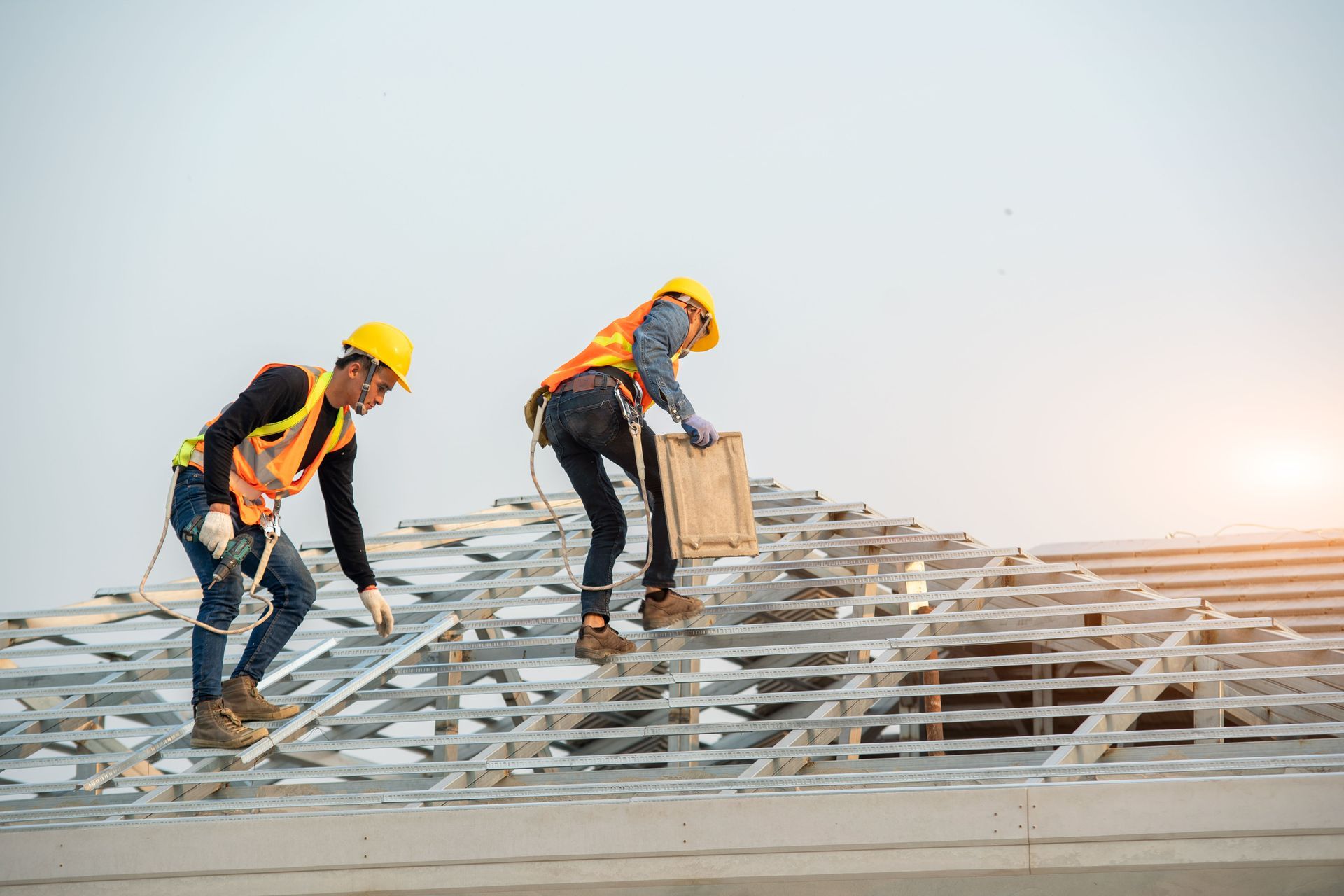
The installation process begins with workers laying the steel sheets across the structural steel framing package. According to Siteline, there are approximately 2,500 structural steel manufacturers and close to the same number of steel fabricators as of 2024 data. Once the sheets are securely attached to the beams, they immediately create a safe, stable working platform for all trades. This instant platform allows subsequent phases of work to begin much sooner than traditional methods permit.
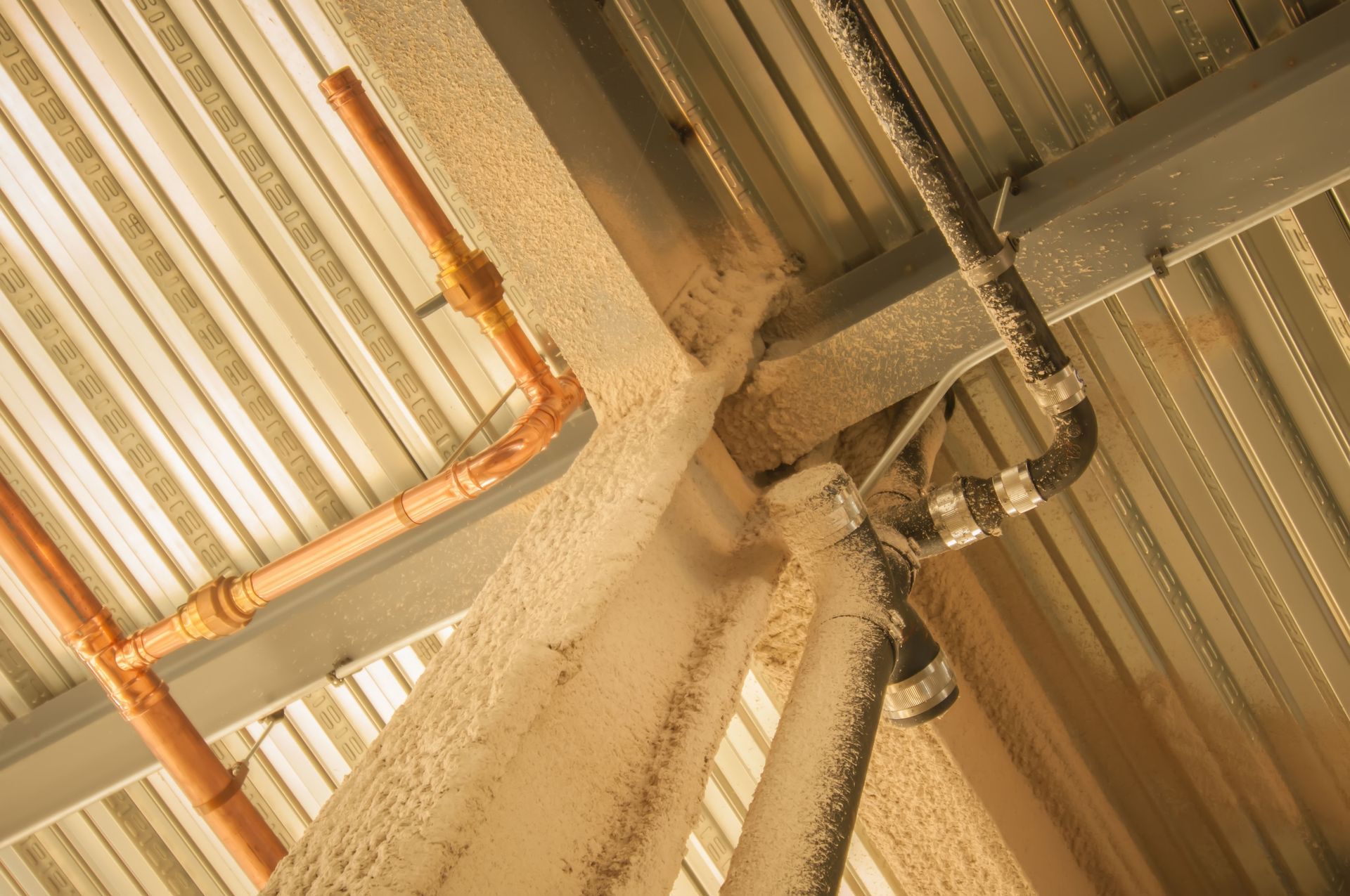
Because the steel deck acts as a form for the concrete, the need for temporary wooden shoring is drastically minimized or eliminated. Workers can install utilities, electrical conduits, and plumbing lines directly beneath the deck while concrete pours take place on the upper levels. This ability to conduct multi-level simultaneous work accelerates the project schedule significantly. Subcontractors can maximize their daily productivity because they do not have to wait for traditional forms to be removed.
Once the concrete achieves its specified strength, the building gains a fire-resistance-rated floor assembly. The speed at which crews can lay the panels, weld or screw them into place, and prepare for the concrete pour reduces labor hours on site. This efficiency helps project managers keep complex construction timelines predictable and manageable. It ultimately transforms the way general contractors approach strict project completion deadlines.
Evaluating the Key Benefits
One major advantage of utilizing composite metal decking is the impressive strength-to-weight ratio it delivers to a project. By minimizing the required thickness of the concrete slab, the overall weight of the superstructure decreases. This reduction in dead load creates a cascading economic benefit, allowing for lighter beams, smaller columns, and less massive foundations. Teams often find that every pound saved on the upper levels reduces requirements for the entire structural frame.
Acoustic performance and fire resistance represent two additional structural advantages that come naturally with this system. The dense mass of the concrete, combined with the profile of the steel, helps dampen sound transmission between building floors. Additionally, standard assemblies can achieve multi-hour fire ratings with minimal additional fireproofing materials applied to the underside. These built-in safety and comfort features make the material highly desirable for high-density occupancy buildings.
The durability of galvanized steel enables the deck to resist moisture damage and corrosion during the messy construction phase. Long after completion, the steel continues to provide stable reinforcement, preventing the concrete from cracking under normal deflection. This longevity reduces the necessity for frequent structural maintenance over the lifespan of the commercial property. Owners benefit from a floor system that remains stable and secure for decades without degradation.
Enhancing Design and Integration
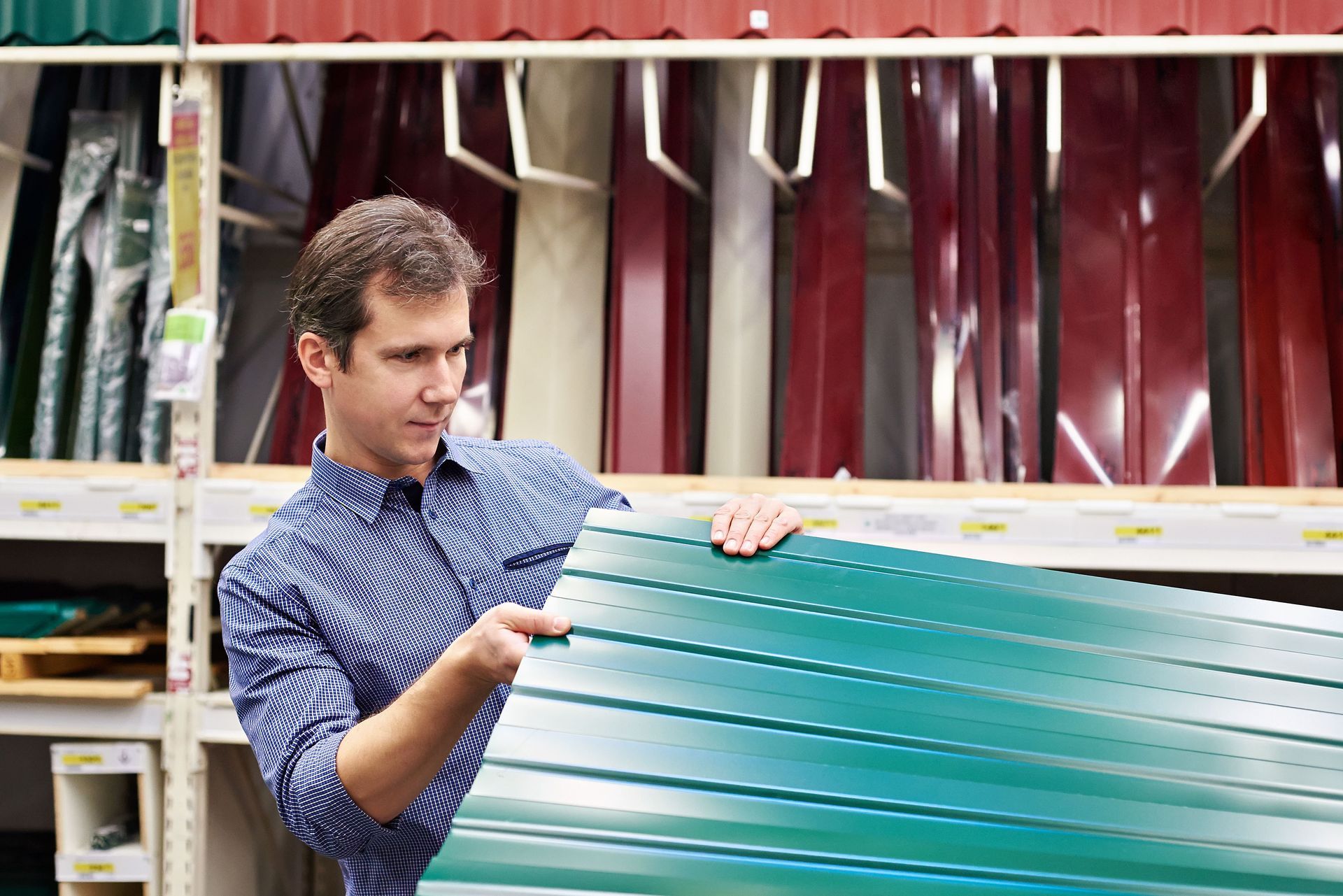
Modern engineering software allows for precise customization of the steel panel profiles to meet exact structural requirements. Fabricators can produce panels in varying gauges, lengths, and rib heights to accommodate specific span lengths and loading criteria. This adaptability gives structural engineers the creative freedom to design complex architectural layouts with confidence. Custom-tailored panels mean that unique geometric spaces no longer require overly complex field modifications.
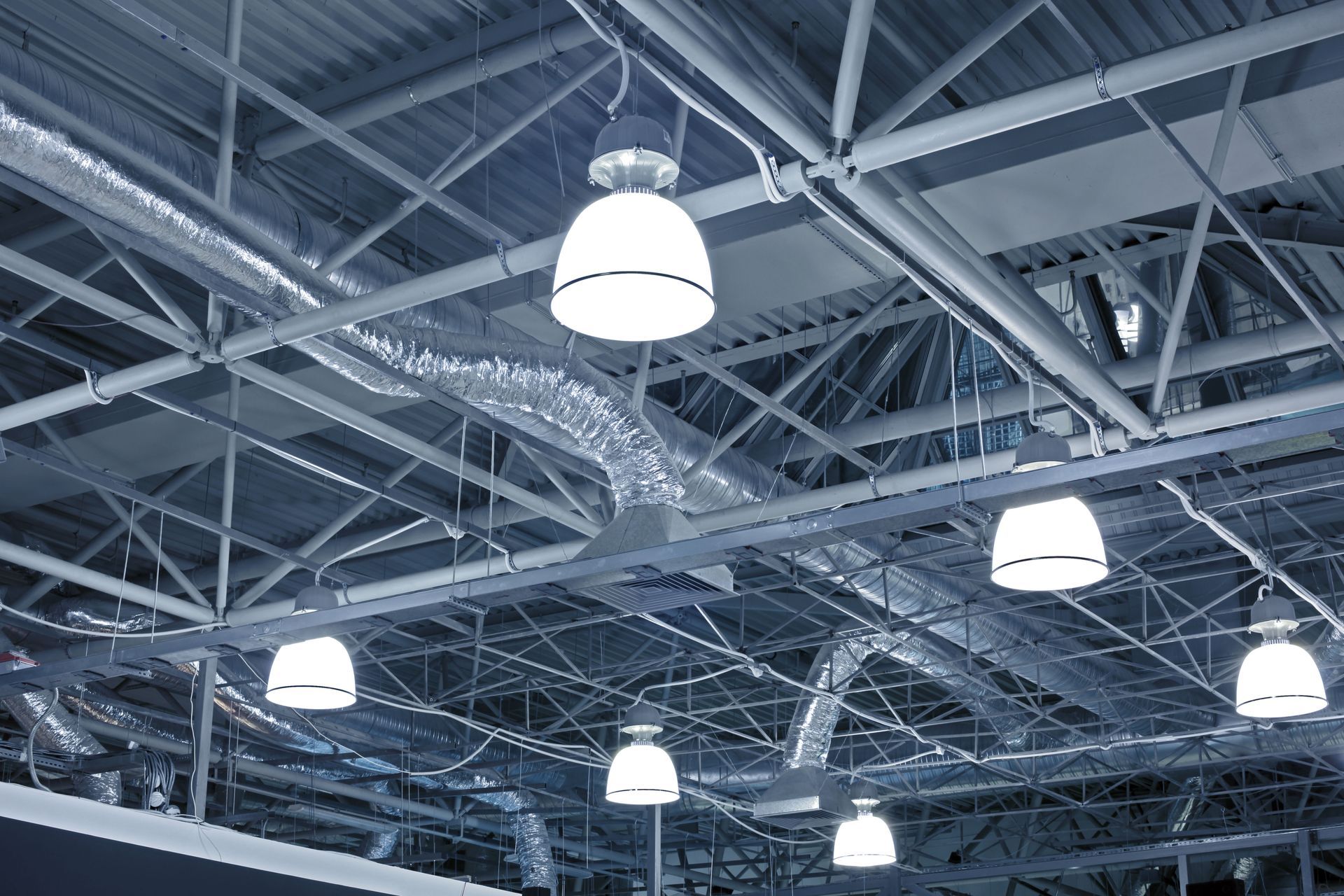
The underside of the deck can also serve an aesthetic or functional purpose in finished spaces. In many modern office designs, the steel is left exposed and painted to create an industrial, open-ceiling appearance. For more traditional spaces, acoustic ceilings or mechanical systems can be suspended directly from the deck using specialized clips that fit into the ribs. This flexibility eliminates the need for expensive secondary hanging grids or separate support beams.
Integrating secondary systems like cellular raceways for data and electrical wiring directly into the decking layout is another common practice. This foresight allows for clean wire management throughout the life of the building. The ultimate versatility of composite metal decking solidifies its status as a staple material in the evolution of contemporary commercial architecture. It continuously proves its worth by adapting seamlessly to evolving modern building technologies and demands.
Composite metal decking stands as a cornerstone of modern commercial buildings, offering unmatched strength, efficiency, and design flexibility. By combining the best properties of steel and concrete, it optimizes both construction schedules and structural performance. Its continued use shapes the skylines and industrial landscapes of today and tomorrow. Embracing this technology allows the construction industry to achieve greater heights and long-term durability. Partner with North-East Deck & Steel to see how your commercial project teams can seamlessly integrate these advanced structural systems into their upcoming building plans.
Share On: