How Roof Metal Decking Is Designed With Stability and Strength
The structural integrity of any modern commercial facility begins above the ceiling, where highly engineered systems work tirelessly to distribute massive loads. Understanding how roof metal decking is designed with stability and strength reveals a fascinating intersection of material science and architectural physics. Through precise manufacturing and careful engineering, these steel frameworks provide the ultimate protective canopy for buildings of all sizes.
Understanding the Core Mechanics of Decking
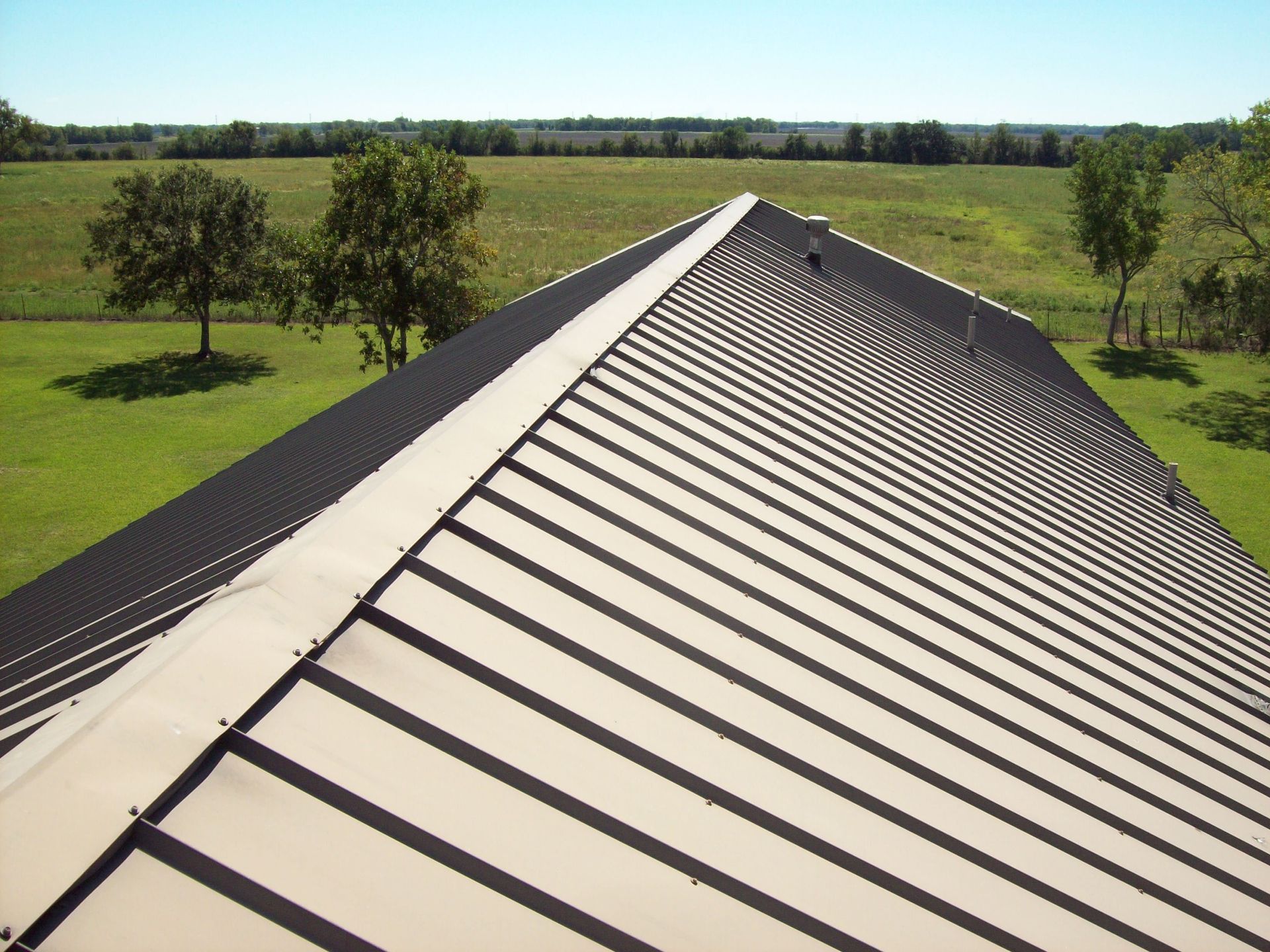
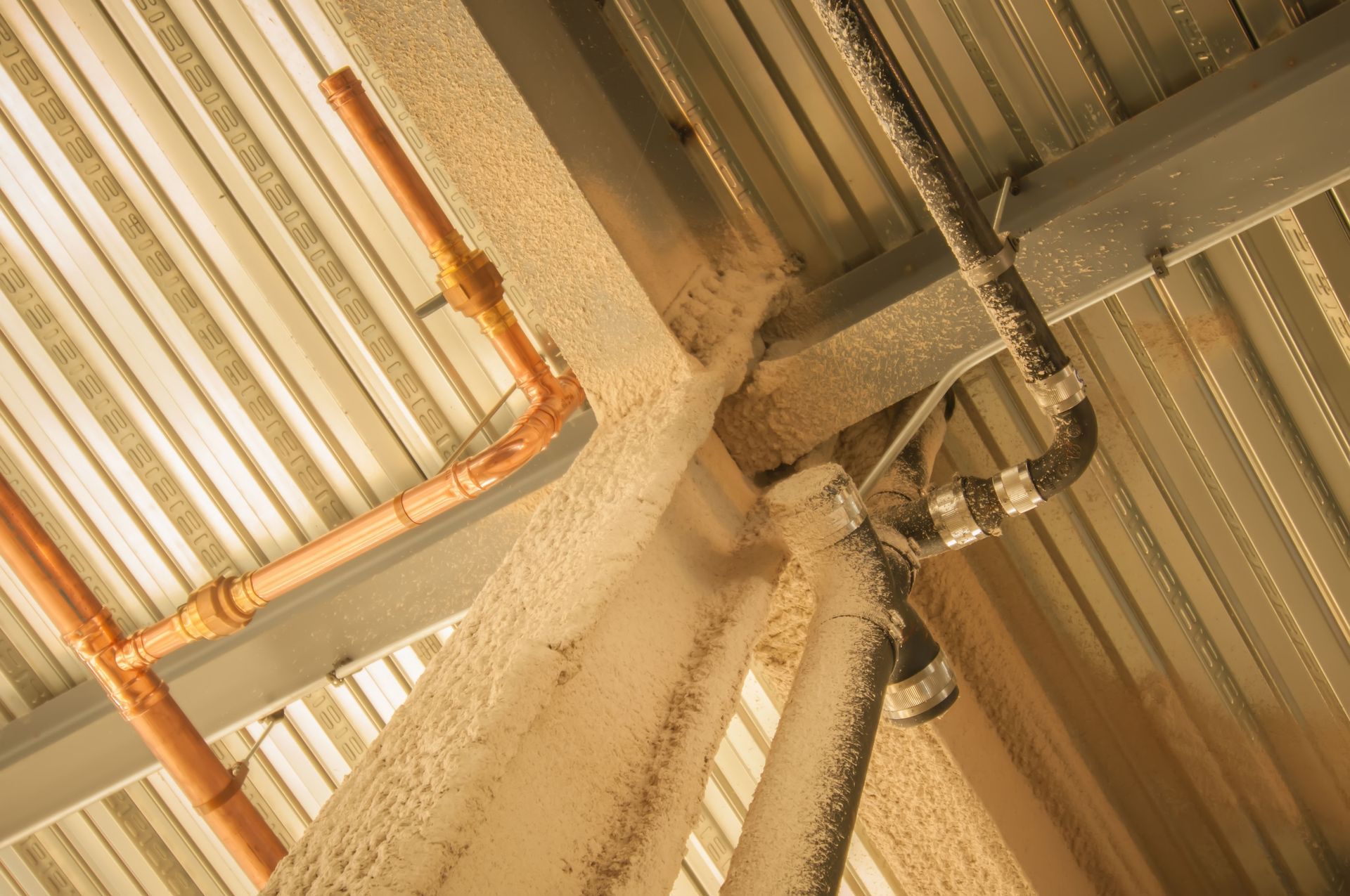
When architects approach the blueprint of a new commercial facility, the immediate focus turns to how the massive weight of the building's top layer will be supported. The fundamental mechanics of a steel deck system rely on the principle of load transfer, functioning as a structural diaphragm that bridges the spaces between structural steel joists. This continuous plane of ribbed steel acts as both a permanent formwork and a critical element that resists lateral forces such as wind or seismic activity. As lateral forces push against a building, the rigid shear diaphragm absorbs that energy and transfers it into the vertical framing. The secret lies in the geometric magic of its corrugated design. By bending flat sheets of steel into a continuous series of ridges and valleys, manufacturers exponentially increase the stiffness of the material. This transforms a heavy piece of sheet metal into a highly rigid platform capable of supporting heavy loads with minimal deflection over long spans.
Engineering the Profiles for Structural Integrity
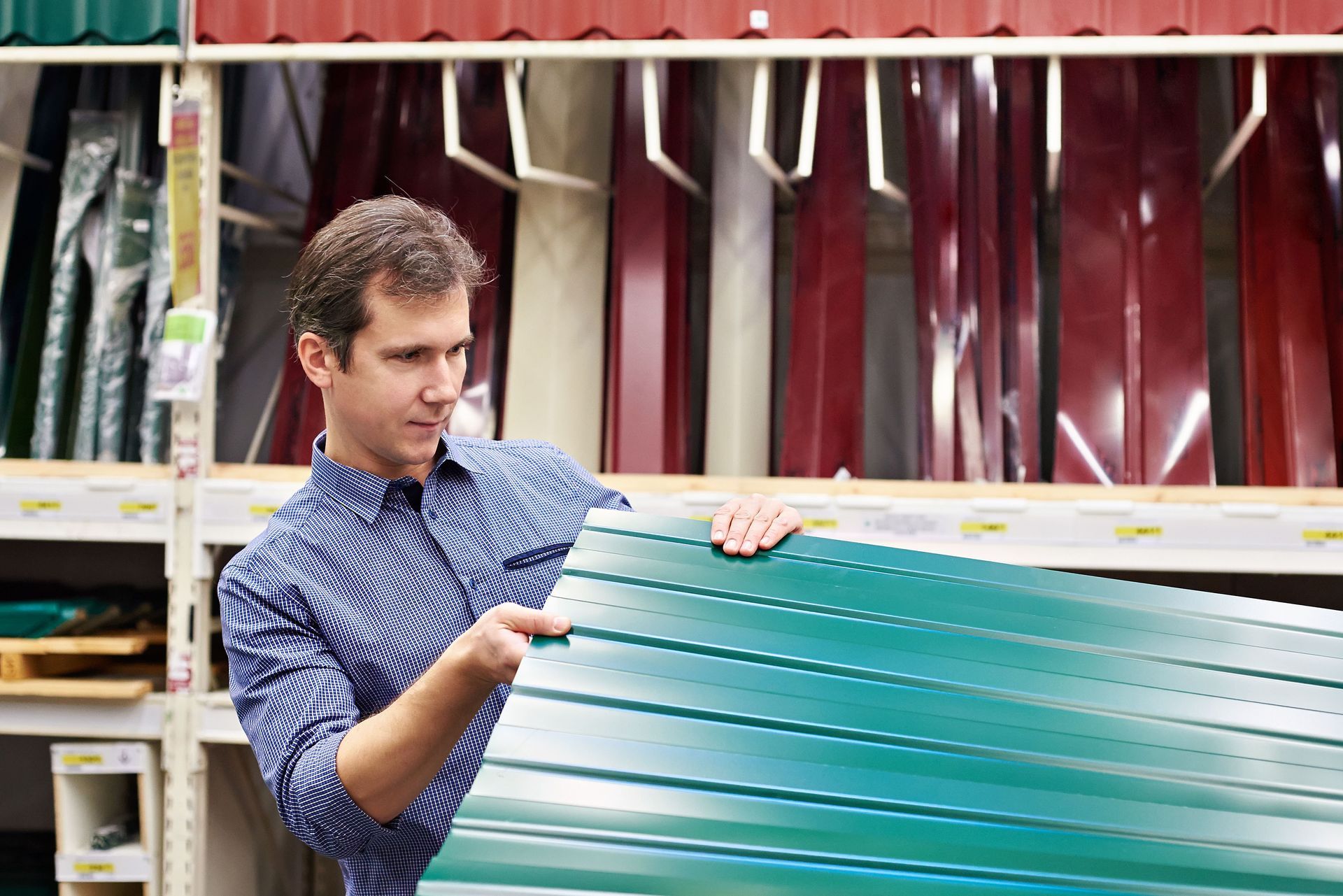
The shape of the corrugation, commonly referred to as the profile, is perhaps the single most important design element determining the overall performance of the structural system. There are several standard profiles utilized in the construction industry, each engineered for specific spanning capabilities. Type B deck, widely recognized as the most common profile, features a wide rib design that strikes an optimal balance between structural span capability and the economical use of materials. For projects demanding exceptionally long spans without closely spaced supporting joists, deep ribbed profiles are specified. These provide massive structural depth, allowing them to carry heavy loads over expansive open spaces like gymnasiums. When sourcing materials for a project, contractors often look for a reliable local roof metal decking supplier to ensure that the specific profile is readily available. The specific geometry of these profiles dictates exactly how insulation boards will lay flat and how effectively the entire roof assembly will resist the downward pull of gravity.
Selecting the Materials for Maximum Durability
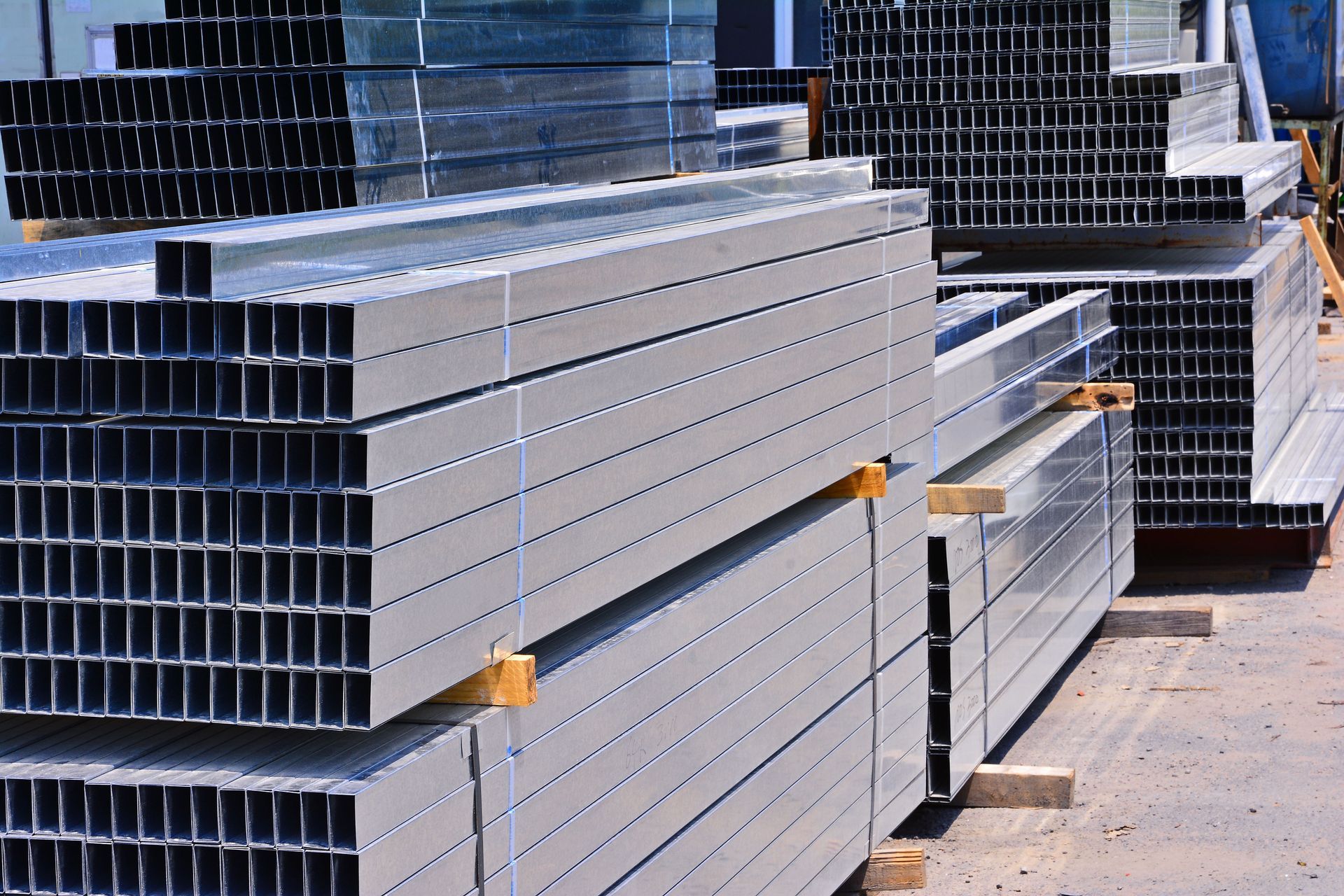
The raw materials chosen for manufacturing these corrugated structural panels dictate their long-term viability in harsh environmental conditions. The primary material is cold-rolled steel, processed to increase its strength and hardness while maintaining precise dimensional tolerances. According to the Steel Joist Institute, any steel decking utilized in these systems is required to present a minimum yield stress of at least 33 ksi. This baseline yield stress ensures that the steel can flex under anticipated loads without undergoing permanent plastic deformation, maintaining the resilient quality necessary to support dynamic building loads. Beyond base strength, the material must be rigorously protected against the relentless threat of oxidation. This is typically achieved through the application of a galvanized zinc coating, which acts as a sacrificial barrier that corrodes before the structural steel is exposed. Finding high-quality, corrosion-resistant local roof metal decking is essential for builders who must provide property owners with a durable structure that will not require premature replacement due to rust.
Analyzing the Role of Fasteners and Connections
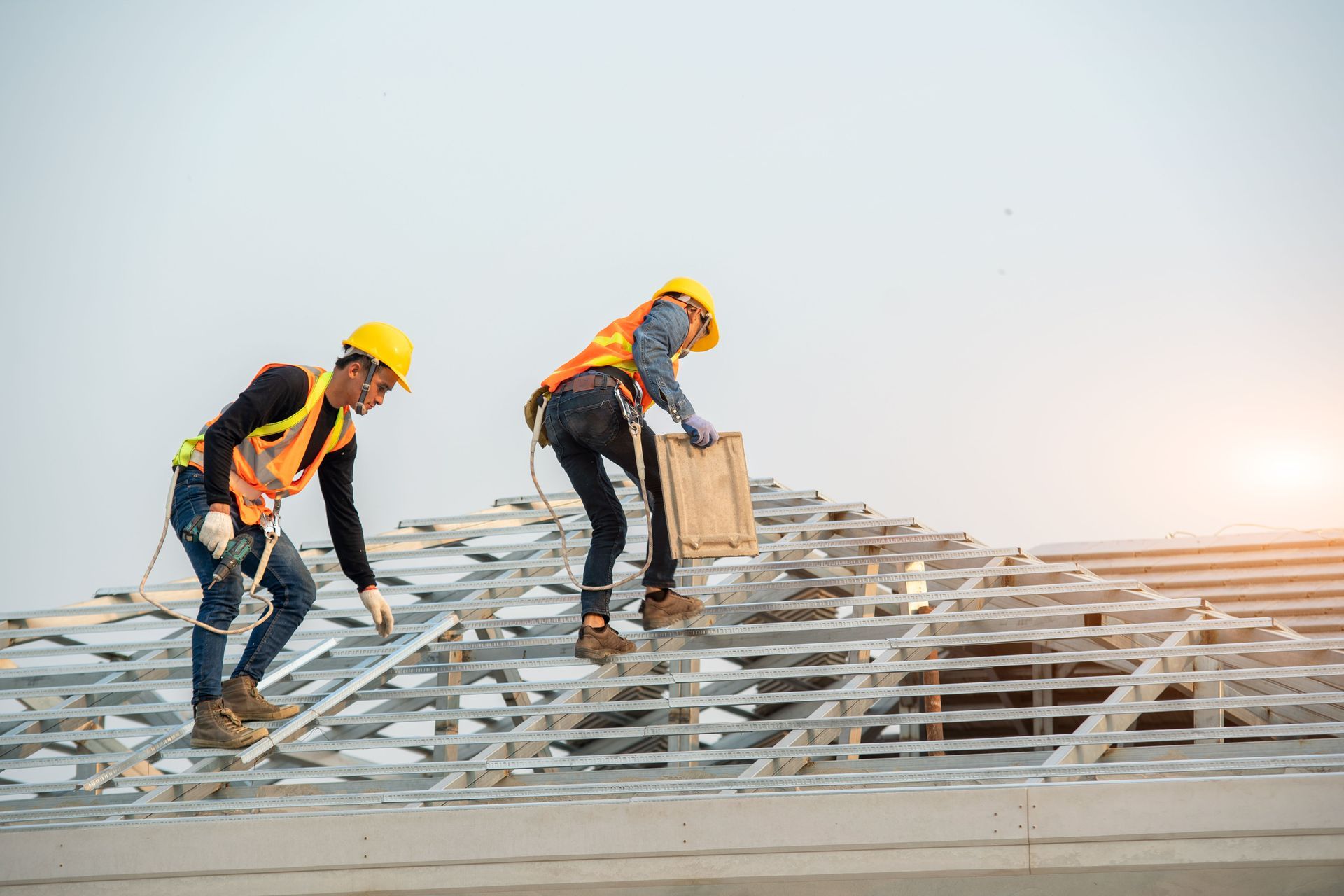
Even the strongest steel deck profile is practically useless if it is not properly secured to the underlying structural framework. The design of a roof system relies heavily on the complex network of connections that stitch the individual metal panels together and anchor them firmly to the steel joists below. The primary methods used to achieve this critical bond are traditional puddle welding, mechanical fastening, and specialized crimping tools. Puddle welding involves burning a small hole through the deck corrugation and fusing it directly to the structural steel flange, creating a permanent bond that provides exceptional shear strength. Alternatively, mechanical fasteners, such as heavy-duty self-drilling screws, offer a fast installation method that creates a secure hold which can be easily inspected. Sourcing the correct compatible fasteners along with your local roof metal decking is crucial, as the engineering calculations determining the building's stability are entirely dependent on the specific type, spacing, and installation quality of these elements.
Evaluating the Impact of Environmental Loads
When engineers calculate stability requirements for a commercial structure, they must account for an array of environmental forces that will relentlessly attack the building over its lifespan. These forces are categorized primarily into dead loads and live loads. Dead loads encompass the static, permanent weight of the building materials themselves, including the layers of rigid insulation and the waterproof roofing membrane. The engineering required to support this dead weight is relatively straightforward, as the mass remains constant. Live loads, however, represent a far more dynamic and dangerous challenge. These include the temporary weight of construction workers and, most importantly, extreme weather conditions. Heavy snowfall can accumulate unevenly across a roof surface, creating localized points of immense pressure. By utilizing sturdy local roof metal decking, construction teams ensure they have the structural capacity necessary to withstand the specific regional weather patterns, whether that involves preparing for hurricane winds or fortifying against the crushing weight of northern winter snowdrifts.
Implementing the Standards for Safety and Compliance
The design, manufacturing, and installation of these structural systems are not left to chance; they are governed by a strict set of national building codes that ensure public safety. Organizations such as the Steel Deck Institute work in tandem with the American Institute of Steel Construction to publish comprehensive manuals that dictate every aspect of metal deck performance. These guidelines outline the exact procedures for calculating load tables, specifying diaphragm shear values, and determining the maximum allowable deflection for different deck profiles. Compliance with these rigorous standards is an absolute necessity for any construction project, as failure to meet code requirements can result in devastating structural failures and danger to occupants. Acquiring certified local roof metal decking guarantees that the materials delivered to the job site have been manufactured under strict quality control protocols, tested for structural integrity, and verified to meet or exceed all relevant building codes, thereby protecting the overall construction endeavor.
Maintaining the System for Long-Term Performance
While the structural metal base of a commercial roof is generally hidden beneath layers of insulation and waterproofing, its long-term performance requires ongoing consideration and preventative maintenance. The greatest enemy of any steel structure is moisture intrusion, which causes rapid oxidation and loss of structural integrity. If the outer roofing membrane is punctured, water can seep down into the insulation and become trapped directly against the surface of the steel deck. Over time, this trapped moisture will eat away at the galvanized coating and compromise the steel. Regular roof inspections are critical to identifying and repairing small leaks before they can cause extensive damage to the underlying structural support. Establishing a relationship with a supplier of local roof metal decking ensures that facility managers have quick access to the exact replacement profiles and expert guidance necessary to perform emergency repairs, thereby extending the operational lifespan of the building for decades to come.
The unseen strength of commercial architecture relies heavily on the meticulous engineering and resilient design of corrugated steel platforms. From precisely calculated rib profiles to robust fastener networks, every element is optimized to combat gravity and environmental stress safely. By prioritizing high-quality materials and rigorous compliance, modern builders guarantee their facilities remain stable and secure. For more insight on the standards a local roof metal decking supplier must maintain, please contact North-East Deck & Steel.
Share On: