
Optimizing Your Bar Joist Utilization With Expert Suppliers
Bar joist services play an essential role in supporting roofs and floors across commercial, industrial, and institutional buildings. Choosing the right components can improve structural performance, simplify construction, and help keep projects on schedule. Working with experienced suppliers allows contractors to coordinate specifications, material availability, and delivery requirements before installation begins. Understanding how to optimize bar joist utilization can help project teams make informed decisions and avoid preventable delays.
Understanding the Role of Bar Joists
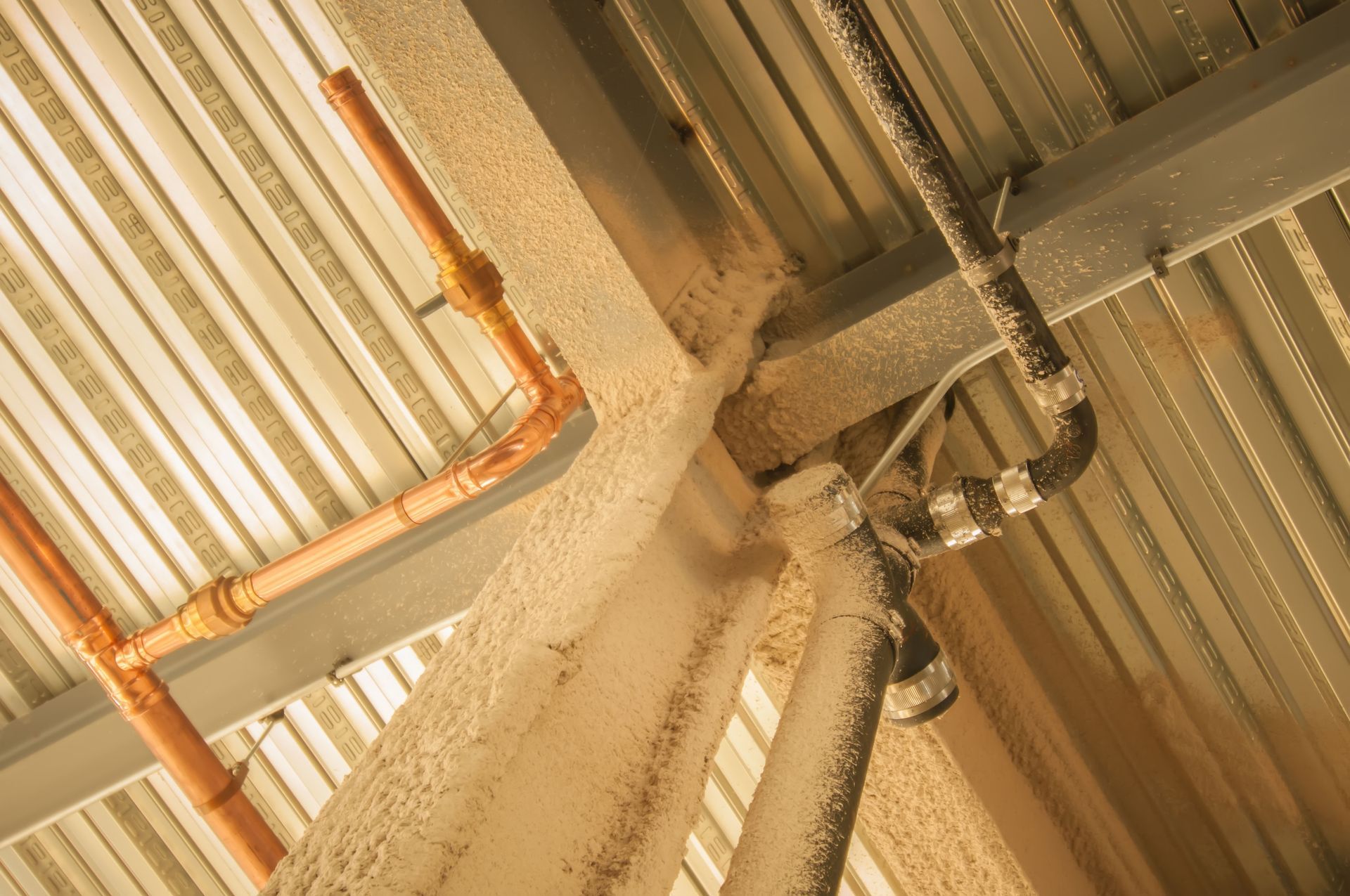
Bar joists, also known as open-web steel joists, are engineered structural components designed to support loads across a building's roof or floor system. Their open-web construction uses steel members arranged between parallel chords, creating a lightweight structure that provides strength while allowing space for mechanical, electrical, and plumbing systems.
These characteristics make bar joists useful in warehouses, manufacturing facilities, schools, offices, and other buildings that require wide, open interior spaces. Properly selected joists can help distribute loads efficiently while reducing the need for additional structural supports.
However, maximizing their value requires more than selecting a standard product. Contractors must consider span lengths, expected loads, joist spacing, building layout, and applicable engineering specifications. Professional bar joist services can help project teams coordinate material requirements and identify products that align with the approved structural design.
Selecting Joists That Match Project Requirements
Choosing appropriate bar joists begins with understanding the building's intended use and structural demands. Roof systems and floor assemblies may require different configurations because they support different combinations of permanent and temporary loads.
Several factors should guide the selection process:
- Span and spacing: Joist dimensions and spacing must correspond with the approved structural plans and the distances between supporting members.
- Load requirements: Designers must account for anticipated dead loads, live loads, equipment, and applicable environmental loads.
- Building layout: Roof slopes, openings, and mechanical systems can influence joist configurations and placement.
- Connection details: Bearing conditions and connection requirements must align with the structural design.
- Material coordination: Joist dimensions and quantities should match the project's decking, framing, and installation requirements.
An experienced supplier can review project information, clarify product specifications, and help coordinate the required materials. However, structural engineers remain responsible for determining the design requirements and approving changes to engineered components.
North-East Deck & Steel offers bar joist fabrication and related steel products, helping contractors source components for roofing and structural applications. Coordinating these requirements early can reduce the likelihood of ordering errors, field modifications, and installation delays.
Coordinating Suppliers With Construction Schedules
Material availability can significantly influence a construction project's progress. When bar joists arrive late, crews may have to adjust installation schedules, postpone related work, or reorganize equipment and labor. Early coordination with suppliers helps project managers plan around fabrication timelines and delivery requirements.
Before placing an order, contractors should confirm the required quantities, specifications, anticipated delivery dates, and any project-specific fabrication needs. They should also communicate schedule changes promptly so the supplier can evaluate whether adjustments are possible.
Reliable bar joist services support this process by helping contractors coordinate product requirements and material logistics. Suppliers familiar with construction projects can also help identify missing information before fabrication begins, reducing the risk of delays caused by incomplete orders or specification discrepancies.
Delivery planning deserves equal attention. Jobsite access, unloading space, crane availability, and the installation sequence can affect when materials should arrive. Coordinating these details in advance helps crews receive materials efficiently without creating unnecessary congestion or unsafe storage conditions.
Improving Material Handling and Jobsite Safety
Proper handling is essential for protecting bar joists and maintaining a safe construction environment. Improper lifting, unstable storage, or excessive loading can damage structural components and expose workers to serious hazards.
Project teams should follow the approved erection plan, manufacturer guidance, and applicable safety requirements when unloading, storing, lifting, and installing joists. Components should be inspected for visible damage, and any concerns should be addressed before installation proceeds.
Decking bundles also require careful placement. According to OSHA, under the specified conditions for placing metal decking bundles on steel joists before all bridging is installed and anchored, each bundle must weigh no more than 4,000 pounds. OSHA also requires appropriate joist attachment, bridging, load support, and placement near the bearing end under these conditions. Contractors should consult OSHA's steel erection requirements and follow the applicable provisions for their jobsite. These rules are part of a broader effort to prevent overloaded joists and unstable construction loads.
A supplier can help coordinate delivery and provide relevant product information, but jobsite personnel must follow the project's engineered plans and safety procedures. Structural members should never be modified or loaded beyond their approved capacity without appropriate engineering review and authorization.
Coordinating Bar Joist Services With Metal Decking
Bar joist services and metal decking work together to create structural roof and floor assemblies. Because these components must fit the same building layout, coordinating their specifications early can help reduce conflicts during installation.
Contractors should verify that joist spacing, bearing conditions, deck profiles, and connection details correspond with the approved drawings. Openings for skylights, ventilation equipment, and other building systems should also be addressed during planning rather than improvised in the field.
North-East Deck & Steel supplies bar joists and metal decking products, enabling contractors to coordinate related material needs with a single supplier. This can simplify communication about dimensions, quantities, delivery timing, and product compatibility.
However, the structural design must determine how the components interact and support the intended loads. Suppliers and contractors should work from current, approved documentation, and any proposed changes should receive the required engineering approval before implementation.
Reducing Waste Through Better Project Planning
Accurate material planning helps control costs and minimize unnecessary waste. Ordering too many joists can create additional storage and handling demands, while ordering too few may delay installation while replacement materials are sourced and delivered.
Project managers should use current structural drawings and verified quantity estimates when preparing orders. They should also account for fabrication requirements, delivery access, storage capacity, and the planned installation sequence.
Working with a knowledgeable supplier can help teams identify discrepancies between material schedules and order quantities before fabrication begins. Clear communication is particularly important when project revisions affect joist dimensions, quantities, or delivery dates.
Effective bar joist services also depend on maintaining accurate documentation. Updated drawings, approved revisions, and clear delivery records help ensure that the materials arriving at the site match current project requirements. These practices can reduce avoidable rework and help teams use their budgets more efficiently.
Choosing Suppliers for Long-Term Project Success
A dependable supplier contributes more than materials to a construction project. Product knowledge, fabrication capabilities, responsive communication, and reliable delivery coordination can all influence how efficiently a project moves forward.
When evaluating suppliers, contractors should consider whether the company can meet their project specifications, communicate realistic lead times, and coordinate related products. They should also confirm that the supplier understands the importance of accurate fabrication and compliance with approved structural documentation.
North-East Deck & Steel is a family-owned steel fabrication business based in Allentown, Pennsylvania. The company provides bar joists, metal decking, steel fabrication, shop drawings, and crane services for construction projects in its service areas. Its in-house fabrication capabilities and available pickup and delivery options can help contractors coordinate their material needs.
Optimizing bar joist utilization ultimately depends on careful planning, appropriate product selection, safe handling, and effective communication throughout construction. By working with experienced suppliers and following approved engineering requirements, project teams can support structural performance, control material waste, and maintain more predictable schedules. Contact North-East Deck & Steel to discuss your project requirements and explore its bar joist services.



Share On: